
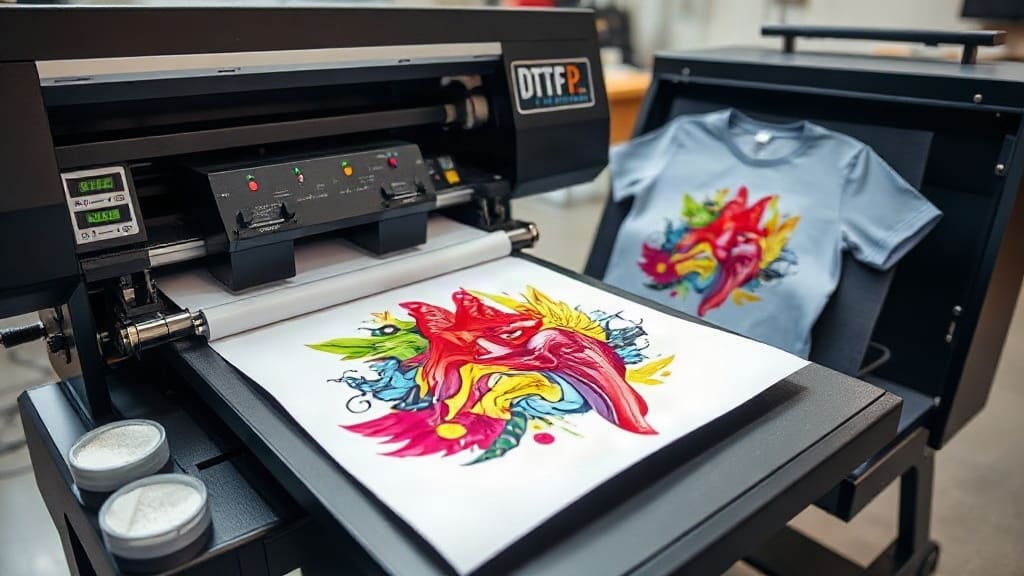
DTF printing has taken the custom apparel world by storm, offering a versatile and cost-effective way to produce vibrant, durable transfers. Whether you're a seasoned screen printer or a small business owner just starting out, understanding this technology can open new doors. In this guide, we'll dive deep into what DTF printing is, how it works, and why it might be the perfect addition to your production toolkit.
What is DTF Printing?
DTF, which stands for Direct to Film, is a printing method that involves printing a design onto a special PET film, applying adhesive powder, and then heat-pressing the film onto a fabric. The result is a soft, stretchy, and highly detailed transfer that can be applied to a wide range of materials, including cotton, polyester, blends, and even leather.
Unlike direct-to-garment (DTG) printing, which prints directly onto the shirt, DTF uses a transfer film as an intermediate step. This allows you to print designs in advance, store them, and apply them whenever needed, making it incredibly efficient for bulk orders and on-demand production.
How Does DTF Printing Work?
The DTF process involves several steps, each crucial for achieving a high-quality result. Here's a breakdown:
- Printing: A DTF printer prints your design in reverse onto a special PET film using CMYK plus white ink. The white ink acts as a base layer to ensure colors pop, especially on dark fabrics.
- Powder Application: While the ink is still wet, a hot-melt adhesive powder is applied over the printed film. This powder sticks only to the inked areas.
- Curing: The film passes through a curing oven or heat source, which melts the powder and fuses it to the ink, creating a strong adhesive layer.
- Transfer: To apply the design, you place the film on the garment with the powder side down and apply heat and pressure using a heat press. After a few seconds, you peel off the film, leaving the design permanently attached to the fabric.
This process might sound simple, but each step requires careful control of temperature, pressure, and time to ensure the final product is durable and vibrant.
Key Benefits of DTF Printing
Why are so many businesses switching to DTF? Let's explore the main advantages:
Versatility in Fabric Compatibility
One of the biggest selling points of DTF is its ability to adhere to almost any fabric. Unlike vinyl or DTG, which may struggle with certain materials, DTF works well on cotton, polyester, nylon, and blends. This makes it ideal for a diverse product range, from t-shirts to tote bags to sports jerseys.
No Pretreatment Required
DTG printing often requires a pretreatment solution to prepare the fabric for ink absorption. DTF eliminates this step, saving time and simplifying the workflow. You can print on garments as-is, which is a huge time-saver.
High Color Vibrancy and Detail
With the use of a white ink base, DTF prints are incredibly vibrant, even on dark fabrics. The fine printhead resolution allows for sharp details, making it perfect for complex designs, gradients, and photographic images.
Soft Hand Feel
When applied correctly, DTF transfers have a soft texture that doesn't crack or peel easily. The adhesive layer is thin, ensuring the print feels like part of the fabric rather than a thick plastic layer.
Cost-Effective for Small to Medium Runs
DTF is not only for large-scale production. Because you can print transfers on demand and store them, you can fulfill small orders without worrying about minimum quantities. This makes it a great option for custom orders and print-on-demand businesses.
Potential Drawbacks of DTF Printing
While DTF has many advantages, it's not without its limitations. Being aware of these can help you decide if it's the right fit:
- Washing Durability: While DTF prints are durable, they may not last as long as traditional screen printing on heavy-wash items. Proper curing and application are essential to maximize longevity.
- Initial Investment: A DTF printer and curing oven can be a significant upfront cost, especially if you opt for a high-end model. However, many businesses find the investment pays off quickly.
- Learning Curve: As with any printing method, there's a learning curve. You'll need to master powder application, curing temperatures, and press settings to get consistent results.
- Film Waste: The process generates PET film waste, which may not be eco-friendly. However, some companies offer recyclable options.
DTF vs. Other Printing Methods
To truly understand DTF's place in the market, it's helpful to compare it to other popular techniques:
DTF vs. DTG
DTG prints directly onto the garment, offering excellent detail and color, but it's slower and often requires pretreating. DTF, on the other hand, is faster for bulk orders and works on a wider range of fabrics. DTF also allows you to print in advance, whereas DTG is ideal for single, custom pieces.
DTF vs. Screen Printing
Screen printing is the go-to for large runs due to its low per-unit cost and exceptional durability. However, it requires a significant setup for each design and is less practical for small orders. DTF offers flexibility for small to medium runs and complex designs, but it may not match the cost-efficiency of screen printing for thousands of units.
DTF vs. Vinyl Heat Transfer
Vinyl heat transfer (such as HTV) is great for simple designs and small text, but it's limited in color and detail. DTF can produce full-color, photorealistic prints that vinyl can't achieve. Vinyl also tends to have a thicker feel and may crack faster.
How to Get Started with DTF Printing
If you're considering adding DTF to your business, here are some steps to guide you:
1. Choose the Right Equipment
Invest in a reliable DTF printer, a powder shaker, and a curing oven. You'll also need a heat press for transfer. Research brands and read reviews to find equipment that fits your budget and production volume.
2. Use Quality Materials
The quality of your PET film, ink, and adhesive powder directly impacts your results. Opt for reputable suppliers to ensure consistent output.
3. Master the Art of Powder Application
Powder must be evenly applied to avoid adhesive marks or missing areas. Practice on test prints to get the hang of it.
4. Perfect Your Pressing Technique
Temperature, pressure, and time vary depending on the fabric and transfer. Use a heat press with a timer and temperature control. Typically, temperatures range from 320°F to 350°F, with pressure around 40-60 PSI, for 10-15 seconds. Always test a sample before a production run.
5. Stay on Top of Maintenance
Regularly clean your printer heads and maintain your curing oven to avoid downtime and ensure consistent quality.
Applications of DTF Printing
The possibilities with DTF are nearly endless. Here are some popular applications:
- Custom Apparel: T-shirts, hoodies, tank tops, and more.
- Sportswear: Jerseys, leggings, and performance wear.
- Accessories: Caps, bags, and aprons.
- Home Textiles: Pillows, towels, and curtains.
- Promotional Products: Custom merchandise for events and giveaways.
Tips for High-Quality DTF Prints
To get the most out of your DTF printing, keep these tips in mind:
- Design with White Ink in Mind: Since white ink is used as a base, design your artwork accordingly. Ensure that your design has a white layer where needed to keep colors bright.
- Use RIP Software: A good RIP (Raster Image Processor) software helps manage color profiles and ink density for optimal results.
- Test, Test, Test: Always run test prints to fine-tune your process. Different fabrics may require adjustments in temperature or time.
- Store Transfers Properly: If you're pre-printing, store your film transfers in a cool, dry place away from direct sunlight to prevent degradation.
Frequently Asked Questions
How long do DTF transfers last?
With proper application and care, DTF prints can withstand many washes. The durability depends on factors like fabric type, wash temperature, and drying methods. Generally, you can expect them to last for several dozen washes without significant fading or cracking.
Can DTF be used on dark shirts?
Absolutely. The white ink base ensures that colors remain vibrant even on dark fabrics. It's one of DTF's major strengths compared to other transfer methods.
Do I need a special printer for DTF?
Yes, DTF printing requires a printer that can handle PET film and has the ability to print white ink. Many DTF printers are modified versions of standard inkjet printers, but it's best to invest in a purpose-built model for reliability.
Is DTF printing profitable for a small business?
Yes, DTF can be very profitable for small businesses, especially those offering custom apparel. The ability to print on demand and handle small orders without high setup costs makes it accessible. Just factor in the initial equipment investment and ongoing consumables costs.
What's the difference between DTF and sublimation?
Sublimation works only on polyester or polymer-coated materials, and the ink becomes part of the fabric. DTF can be used on a wider range of fabrics, including cotton, and transfers are made on film before being pressed onto the garment.
Conclusion
DTF printing is a game-changer for custom apparel production. Its versatility, ease of use, and high-quality results make it an attractive option for businesses of all sizes. By understanding the process, benefits, and limitations, you can make an informed decision about integrating DTF into your workflow. Whether you're looking to expand your product line or start a new venture, DTF offers endless possibilities. So why not give it a try and see the difference it can make?