
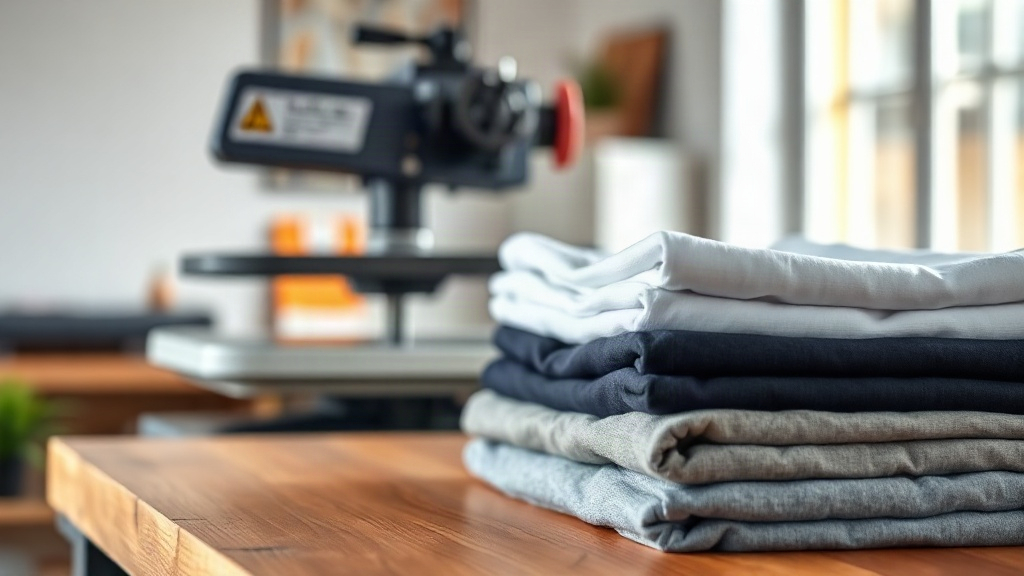
When you're in the custom apparel game, the foundation of every great product starts with the blank. Whether you're printing for a brand, a team, or a one-off event, the quality of your blank determines how your design looks, feels, and holds up over time. That's where smart blanks come in. These aren't just any t-shirts; they're carefully selected garments that offer the perfect canvas for decoration, balancing comfort, durability, and cost. In this guide, we'll dive deep into what makes a blank 'smart,' how to choose the right one for your needs, and why brands like Shaka Wear are becoming go-to choices for professionals. Plus, we'll touch on how decoration methods like DTF transfers interact with different fabrics, so you can make informed decisions that keep your customers coming back.
What Are Smart Blanks and Why Do They Matter?
Smart blanks are more than just plain t-shirts. They represent a strategic choice: selecting garments that are optimized for printing, embroidery, or other customization techniques while providing end-users with a comfortable, well-fitting product. The term 'smart' implies intelligence in selection, meaning these blanks have been vetted for fabric quality, stitch density, color consistency, and overall printability. For apparel decorators, using smart blanks reduces production headaches, minimizes waste, and ensures a professional finish that reflects well on your brand.
Consider this: a cheap blank might save you a few dollars upfront, but if it shrinks, fades, or pills after a few washes, your customer won't blame the blank—they'll blame you. Smart blanks mitigate that risk. They often come from manufacturers who prioritize ethical production, consistent sizing, and fabric blends that take ink beautifully. Whether you're a small print shop or a large-scale operation, investing in quality blanks is a non-negotiable step toward building a reputation for excellence.
Key Factors to Evaluate When Choosing Blanks
Not all blanks are created equal. To make smart choices, you need to assess several criteria. Here's what to look for:
Fabric Composition and Weight
The fabric blend and weight (GSM) dramatically affect how a blank feels and prints. Cotton is breathable and soft, but can shrink; polyester resists shrinking and holds color well; blends offer a balance. For DTF transfers, a 100% cotton or high-cotton blend (like 80/20) typically works best because the adhesive bonds well to natural fibers. However, modern DTF films can also adhere to polyester with proper temperature and pressure settings. Weight-wise, 5.3 oz (180 GSM) is a standard for retail-quality tees, while heavier weights (6.0 oz+) are preferred for workwear or streetwear.
Fit and Sizing Consistency
Inconsistent sizing across colors or batches can ruin your inventory planning. Smart blanks come from manufacturers with rigorous quality control, ensuring that a medium in black fits the same as a medium in white. This consistency is crucial for bulk orders. Additionally, consider the cut: unisex, ladies' fit, youth, and tall sizes all have their place. Offering a range of fits makes your products accessible to a wider audience.
Color Availability and Consistency
A broad color palette is a plus, but color consistency is even more important. You don't want a reorder of 'navy' to arrive looking like 'royal blue.' Smart blanks from reputable brands maintain dye lot consistency, so your customer's reorders match their original purchase. This is especially vital for corporate clients or teams who need uniforms over time.
Durability and Washability
A blank that looks great in the shop but falls apart after three washes is a liability. Look for tight knitting, reinforced seams, and pre-shrunk fabrics. Smart blanks often undergo extensive wash testing to ensure they resist pilling, fading, and distortion. This durability translates to happier customers and fewer returns.
Why Shaka Wear Stands Out in the Smart Blanks Market
Among the many blank brands available, Shaka Wear has carved a niche for itself by delivering consistent quality at accessible price points. Based in Los Angeles, Shaka Wear focuses on streetwear-inspired fits and heavyweight fabrics that appeal to modern consumers. Their t-shirts, hoodies, and crewnecks are known for their soft hand feel, durable construction, and ability to take both screen printing and DTF transfers exceptionally well.
What makes Shaka Wear a smart choice? For starters, their blanks are cut generously, offering a relaxed, contemporary fit that's popular in urban fashion. The fabric weight—often 6.0 oz or higher—gives garments a premium feel that customers notice immediately. Moreover, Shaka Wear maintains strict quality control, so you can count on consistent sizing and color across orders. Many decorators report that Shaka Wear blanks hold up beautifully after repeated washes, maintaining their shape and print integrity. If you're looking to elevate your offerings without breaking the bank, Shaka Wear is definitely worth exploring.
How DTF Transfers Interact with Different Blanks
DTF (Direct-to-Film) transfers have revolutionized the decoration industry by enabling full-color, detailed prints on a wide range of fabrics without the setup costs of screen printing. However, not all blanks are equally suited for DTF. The key lies in the fabric's ability to accept the adhesive and ink during the heat press process.
Cotton and cotton-rich blends (like 100% cotton or 80/20 cotton/poly) are generally the best candidates for DTF transfers. The natural fibers provide a porous surface that the thermoplastic adhesive can grip, resulting in a soft, stretchable print that withstands washing. Polyester, on the other hand, can be trickier: the slick surface may cause the transfer to peel if not applied with precise temperature and pressure. However, with advancements in DTF films designed specifically for poly, excellent results are achievable. When using DTF on polyester, lower the temperature slightly (around 280°F to 300°F) and use medium pressure to avoid scorching.
It's also important to consider fabric color. DTF transfers are printed with a white ink base, so they show up vividly on both light and dark garments. This makes them ideal for decorating the diverse color ranges offered by brands like Shaka Wear. Before committing to a large order, always test a sample to dial in your press settings. A well-executed DTF transfer on a quality blank creates a durable, vibrant design that feels like part of the garment.
Maximizing Value: Cost vs. Quality Trade-Off
Every business faces the classic dilemma: how much should you spend on blanks? The answer depends on your target market and product positioning. If you're selling premium streetwear, a higher-priced blank like Shaka Wear is justified because customers expect superior quality. For promotional giveaways or budget-oriented projects, a lighter, more economical blank might suffice. However, even in cost-sensitive scenarios, opting for a mid-tier smart blank can prevent negative reviews and returns.
Consider the total cost of ownership: a cheap blank that fades quickly may lead to dissatisfied customers and lost repeat business, ultimately costing more than if you had invested in quality from the start. Smart blanks offer a sweet spot, delivering reliable performance without the luxury price tag. By building relationships with suppliers and buying in bulk, you can further reduce per-unit costs while maintaining high standards.
Practical Tips for Working with Smart Blanks
Once you've selected your blanks, a few best practices can help you get the most out of them:
- Pre-treat if necessary: Some fabrics benefit from a quick press before printing to remove moisture and wrinkles.
- Test your settings: Every blank brand and style may require slight adjustments in heat press temperature, pressure, and time. Keep a log of what works.
- Store properly: Keep blanks in a clean, dry environment to prevent dust and moisture from affecting print adhesion.
- Educate your customers: Provide care instructions (wash inside out, tumble dry low) to extend the life of the print and garment.
Frequently Asked Questions
What are smart blanks and why should I use them?
Smart blanks are carefully selected apparel pieces that offer superior printability, comfort, and durability. They reduce production issues and enhance customer satisfaction, making them a smart investment for any decorator.
Is Shaka Wear good for DTF printing?
Absolutely. Shaka Wear's cotton and cotton-blend fabrics are excellent for DTF transfers. Their consistent quality and heavier weights ensure that prints adhere well and last through many washes.
How do I choose the right blank for my project?
Consider fabric content, weight, fit, color options, and your decoration method. For DTF, high-cotton blanks are ideal. Also, factor in your budget and target market to strike the right balance.
Can I use DTF transfers on polyester blanks?
Yes, but you'll need to adjust your heat press settings. Lower temperature and medium pressure help prevent scorching and ensure proper adhesion. Always test first.
Where can I buy smart blanks in bulk?
Many wholesale suppliers and online distributors offer smart blanks. Look for reputable brands like Shaka Wear and check for volume discounts. Always request samples before committing to large orders.