
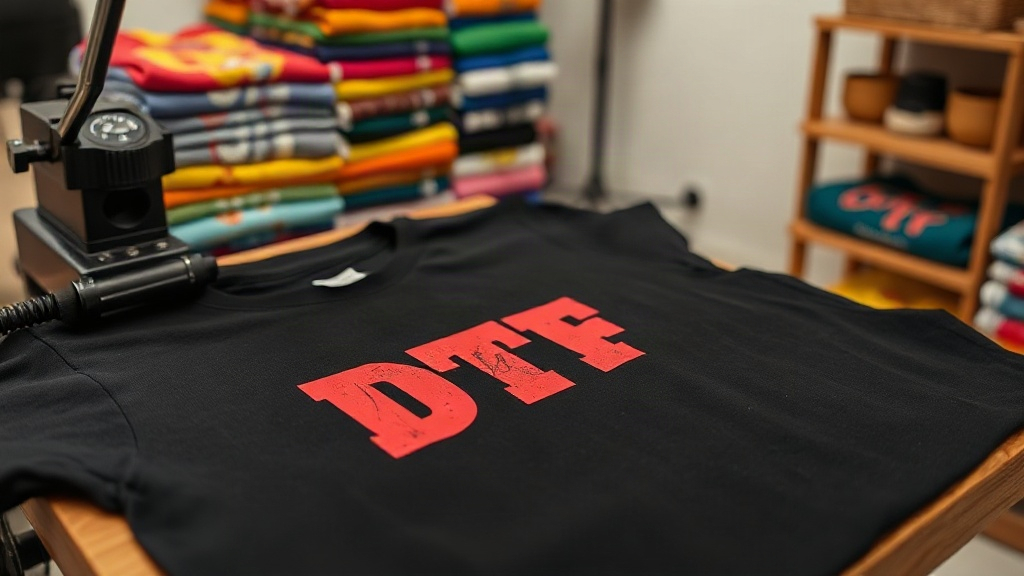
When you pull a freshly pressed DTF transfers shirt off the platen, the last thing you want is a design that looks faded, cracked, or washed out. The secret to consistently stunning results isn't just in the transfer itself. It's in what you press it onto. That's where smart blanks come in. These are garments engineered with the right fabric blend, weight, and finish to make your transfers pop. And when you pair them with a trusted brand like Shaka Wear, you get a canvas that works as hard as you do.
In this post, I'll walk you through why smart blanks are a game-changer for DTF printing, how Shaka Wear fits into the equation, and practical tips to get flawless results every time. Whether you're a seasoned decorator or just starting out, these insights will help you avoid common pitfalls and deliver products your customers will love.
What Makes a Blank 'Smart' for DTF Transfers?
Not all blanks are created equal. A smart blank is specifically designed to complement the DTF process. It has a smooth, tight weave that allows the adhesive powder to bond evenly. It also has a consistent surface texture, free from heavy slubs or irregularities that can cause the transfer to lift or look patchy.Fabric composition matters too. Blanks with a high cotton content (think 100% cotton or a cotton-poly blend with at least 50% cotton) tend to work best. The cotton fibers absorb the adhesive well, while the polyester helps the colors stay vibrant. But beware: too much polyester can make the print feel plasticky and prone to cracking. The sweet spot is often a 60/40 or 50/50 blend.
Weight is another factor. Lightweight blanks (under 4 oz) may not provide enough surface for the transfer to grip, leading to premature peeling. Heavier fabrics (5.5 oz and up) offer a sturdy base that withstands repeated washing. That's why many professionals gravitate toward Shaka Wear blanks, which are known for their substantial feel and durability.
Why Shaka Wear Stands Out for DTF Printing
Shaka Wear has built a reputation for producing high-quality blanks that cater to the streetwear and custom apparel markets. Their garments are made from premium cotton and cotton blends, with a focus on consistency. When you order a batch of Shaka Wear tees, you can expect minimal shrinkage and a uniform surface that takes transfers beautifully.
One of the standout features is their tight knit construction. This means less texture for the transfer to fight against. The adhesive from your DTF transfers can penetrate evenly, resulting in a soft-hand feel and sharp details. I've personally tested Shaka Wear tees with intricate designs, and the fine lines and small text came out crisp, with no bleeding or blurring.
Another advantage is their color range. Shaka Wear offers a wide spectrum of shades, from classic blacks and whites to trendy pastels and earth tones. This variety lets you match transfers to blanks seamlessly, giving your finished product a cohesive, professional look. Plus, their sizing is consistent, so you can confidently offer a range of sizes without worrying about fit issues.
How to Choose the Right Smart Blank for Your Project
Selecting the ideal blank depends on your end use. Here are key considerations:
- Fabric content: For vibrant colors, a 50/50 blend works well. For a vintage, faded look, go with 100% cotton. Avoid 100% polyester unless you're using specialty transfers designed for synthetics.
- Weight: Midweight (5.0–5.5 oz) is a safe bet for year-round wear. Heavyweight (6.0 oz+) is great for hoodies and outerwear.
- Color: Light colors require a white underbase in your transfer, while dark colors can handle vibrant inks directly. Smart blanks in neutral tones give you flexibility.
- Weave: Look for a tight, smooth weave. Ring-spun cotton is softer but can be slightly textured; combed cotton is smoother.
- Brand reputation: Stick with trusted names like Shaka Wear that are consistent and reliable.
Pro tip: Always request fabric swatches before committing to a large order. Press a test transfer on a sample to see how it adheres and feels. This small step can save you from costly mistakes.
Step-by-Step: Applying DTF Transfers to Smart Blanks
Even with the best blank, technique matters. Follow these steps for optimal results:
- Pre-press the garment: This removes moisture and wrinkles. Set your press to 280–300°F and press for 5–10 seconds.
- Position the transfer: Place your DTF transfers on the garment with the design facing up. Use heat tape to secure it if needed.
- Press: Apply medium pressure for 15–20 seconds at 300–320°F. Check your transfer supplier's recommendations, as specs can vary.
- Peel: Wait for the transfer to cool completely (cold peel) or peel while hot (hot peel) based on the type. Most DTF transfers are cold peel.
- Post-press: For added durability, press again for 5–10 seconds with a Teflon sheet or parchment paper.
Remember, every heat press is different. Calibrate yours with a temperature gun and test with a scrap piece before running a full batch.
Common Mistakes to Avoid with Smart Blanks and DTF
Even seasoned pros slip up. Watch out for these pitfalls:
- Using fabric softener: It leaves a residue that prevents the adhesive from bonding. Wash blanks without softener before pressing.
- Over-stretching: When positioning, don't stretch the garment. This can cause the transfer to crack when the fabric relaxes.
- Inconsistent pressure: Uneven pressure leads to partial adhesion. Ensure your press is level and apply firm, even pressure.
- Ignoring wash care: Always instruct customers to wash inside out in cold water and tumble dry low. This extends the life of the print.
By avoiding these, you'll see a noticeable difference in the longevity and appearance of your finished products.
Maximizing Your Investment: Sourcing and Scaling
When you're ready to scale, sourcing smart blanks from a reliable supplier is crucial. Look for bulk discounts and consistent stock. Shaka Wear is a popular choice because they maintain inventory levels and offer competitive pricing for volume orders.
Consider offering a range of Shaka Wear styles, from crew necks to hoodies, to cater to different customer preferences. And don't forget to market the quality: highlight that you use premium blanks and high-quality DTF transfers for a product that lasts. This justifies a higher price point and builds customer loyalty.
Finally, keep learning. The DTF industry evolves, and new techniques emerge. Stay connected with communities, attend trade shows, and experiment with different blanks to find what works best for your niche.
Frequently Asked Questions
Can I use DTF transfers on 100% polyester Shaka Wear blanks?
Yes, but you'll need to adjust your press settings. Polyester requires lower temperatures (around 280°F) to prevent scorching, and the transfer may have a slightly different feel. Always test first.
How do I prevent DTF prints from cracking on smart blanks?
Ensure proper adhesion by pre-pressing, using consistent pressure, and post-pressing. Also, choose blanks with a tight weave and avoid over-stretching during application.
What's the best way to wash Shaka Wear garments with DTF prints?
Turn the garment inside out, wash in cold water with mild detergent, and tumble dry on low. Avoid bleach and fabric softener to preserve the print.
Are smart blanks more expensive than regular blanks?
They can be, but the improved results and durability often justify the cost. Plus, fewer rejects mean better profitability in the long run.
Where can I buy Shaka Wear blanks for DTF printing?
Many online wholesalers and local distributors carry Shaka Wear. Look for authorized dealers to ensure authenticity and quality. You can also check the brand's official website for a list of retailers.