
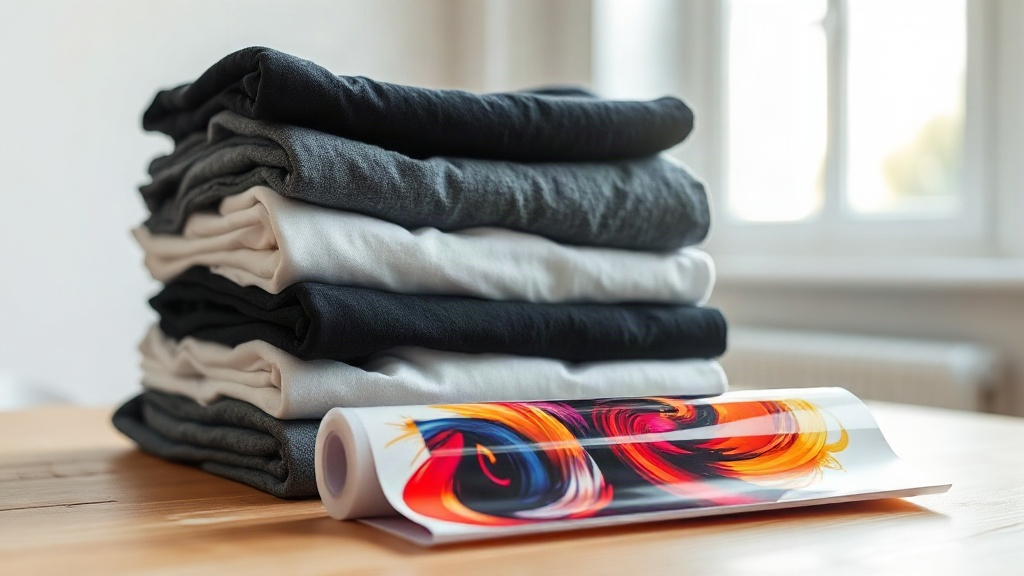
When you first dive into the world of custom apparel, it's easy to get lost in the excitement of designs, colors, and the latest printing techniques. But here's a truth that often gets overlooked: the foundation of any great print is the blank itself. That's where smart blanks come in. These aren't just any t-shirts; they're carefully engineered garments designed to work in harmony with modern printing methods like DTF transfers. In this post, we'll explore why choosing the right blank can make or break your final product, and how brands like Shaka Wear are leading the charge.
What Are Smart Blanks?
The term smart blanks might sound like a buzzword, but it refers to a specific category of apparel blanks that are optimized for decoration. Unlike standard tees, smart blanks are made with tighter weave fabrics, consistent thread counts, and superior finishes that allow prints to adhere better, look sharper, and last longer. They often feature a proprietary blend of cotton and polyester, or 100% ring-spun cotton, to provide a smooth canvas for DTF transfers.
Why does this matter? Because not all blanks are created equal. A cheap, loosely woven tee might feel soft, but it can cause prints to crack, fade, or peel after just a few washes. Smart blanks, on the other hand, are tested to ensure they meet the demands of high-quality printing. They also come in a range of fits and colors, giving you the flexibility to create apparel that appeals to a wide audience.
Why Smart Blanks Matter for DTF Transfers
DTF (Direct to Film) transfers have revolutionized the custom apparel industry. They allow for vibrant, full-color designs on a variety of fabrics without the hassle of weeding or layering. But even the best DTF transfer can fail if the blank isn't up to par. Here's why smart blanks are a game-changer for DTF printing:
- Surface Smoothness: Smart blanks have a smooth, even surface that allows the transfer to bond uniformly. This prevents patchiness and ensures every detail of your design pops.
- Fiber Composition: Blanks with a high cotton content or a cotton-poly blend work best with DTF. The fibers grip the adhesive, creating a strong hold that survives repeated wear and washing.
- Color Consistency: Smart blanks are dyed with precision, so the background color won't interfere with your print. This is crucial when printing light designs on dark garments.
- Durability: These blanks are built to last. They resist shrinking, pilling, and stretching, which means your printed design stays intact for the long haul.
In short, using smart blanks with DTF transfers is like pairing a fine wine with a gourmet meal. Each enhances the other, resulting in a product that looks professional and feels premium.
Shaka Wear: A Prime Example of Smart Blanks
When it comes to smart blanks, Shaka Wear has earned a stellar reputation among printers and apparel brands. Founded in Los Angeles, Shaka Wear focuses on creating heavyweight, durable garments that cater to the streetwear and custom printing markets. Their t-shirts are known for their tight knit, which provides an ideal surface for DTF transfers.
What sets Shaka Wear apart? First, their blanks are made from 100% cotton or cotton-poly blends that are soft yet sturdy. Second, they offer a consistent fit across sizes, which is essential for bulk orders. Third, their color palette is extensive, from classic blacks and whites to trendy earth tones. But most importantly, Shaka Wear blanks are tested with various printing methods, including DTF, to ensure they meet the highest standards.
Many custom apparel businesses have switched to Shaka Wear for their DTF projects because they've seen firsthand how well the transfers adhere and how vibrant the colors remain after multiple washes. If you're serious about quality, Shaka Wear is a brand worth considering.
How to Choose the Right Smart Blank for Your Project
Not all smart blanks are the same, and the best choice depends on your specific needs. Here are key factors to consider:
Fabric Content
For DTF transfers, a 100% cotton or a cotton-poly blend (50/50 or 60/40) works best. Cotton provides a natural feel and excellent ink absorption, while polyester adds durability and color retention. Avoid blanks with high synthetic content, as they may not bond well with the transfer adhesive.
Weight and Thickness
Heavier blanks (5.5 oz and up) tend to be more durable and provide a better canvas for prints. They also hold their shape better over time. However, if you're aiming for a lightweight, airy feel, look for a premium 4.5 oz ring-spun cotton blank that still offers a smooth surface.
Color and Finish
Light colors are more forgiving for DTF transfers, but dark colors require a white underbase for opacity. Smart blanks are often available in both, and some come with a special finish (like enzyme wash) that enhances printability. Always test a sample before committing to a large order.
Fit and Style
Your blank should align with your brand's aesthetic. Whether you prefer a classic crew neck, a trendy oversized fit, or a performance tee, there's a smart blank out there for you. Shaka Wear, for instance, offers everything from basic tees to hoodies, all optimized for decoration.
Maximizing DTF Transfer Results with Smart Blanks
Once you've selected your smart blanks, it's time to ensure your DTF transfers are applied correctly. Here are some best practices:
- Pre-press the garment: This removes moisture and wrinkles, creating a smooth surface for the transfer.
- Use the right temperature and pressure: Follow the transfer manufacturer's instructions. Typically, 325°F for 15 seconds with medium pressure works well.
- Peel while hot or cold: Some transfers require hot peel, others cold. Check the specs to avoid ruining the design.
- Post-press for durability: A quick second press (5-10 seconds) can improve washability.
By combining high-quality DTF transfers with smart blanks, you'll produce apparel that not only looks stunning but also withstands the test of time.
Common Mistakes to Avoid
Even with the best materials, mistakes can happen. Here are pitfalls to watch out for:
- Using fabric softener: It leaves a residue that prevents the transfer from adhering. Always wash new blanks without softener before printing.
- Skipping the pre-press: This step is crucial for removing wrinkles and moisture.
- Using too much pressure: It can cause the transfer to spread or the garment to scorch.
- Not testing: Always do a test print on a scrap piece of the same fabric to dial in your settings.
Frequently Asked Questions
What makes a blank "smart" for DTF printing?
A smart blank is designed with a smooth, tight-knit surface and a fiber composition that allows DTF transfers to bond securely. It often has consistent dyeing and minimal shrinkage, ensuring the print looks great and lasts.
Can I use any blank with DTF transfers?
While DTF transfers can adhere to many fabrics, not all blanks yield the same results. Blanks with high cotton content or a cotton-poly blend work best. Avoid loosely woven or heavily textured fabrics, as they can cause the transfer to peel.
Why is Shaka Wear a good choice for DTF?
Shaka Wear blanks are made from high-quality, tightly woven fabrics that provide an ideal surface for DTF transfers. They are durable, come in many colors, and are tested for printability, making them a favorite among custom apparel makers.
How do I wash a DTF-printed garment to make it last?
Turn the garment inside out and wash in cold water with mild detergent. Avoid fabric softener and bleach. Tumble dry on low or hang dry. Following these steps will keep the print vibrant for years.
Where can I buy smart blanks and DTF transfers?
Many online retailers specialize in blanks and transfers. For smart blanks, check out brands like Shaka Wear. For DTF transfers, look for reputable suppliers that offer high-quality films and inks. Always read reviews and request samples before buying in bulk.
Choosing the right blank is the first step toward creating custom apparel that stands out. With smart blanks and DTF transfers, you're not just making a shirt; you're crafting a product that people will love to wear. So next time you start a project, remember: the blank matters just as much as the design. Invest in quality, and your customers will notice the difference.