
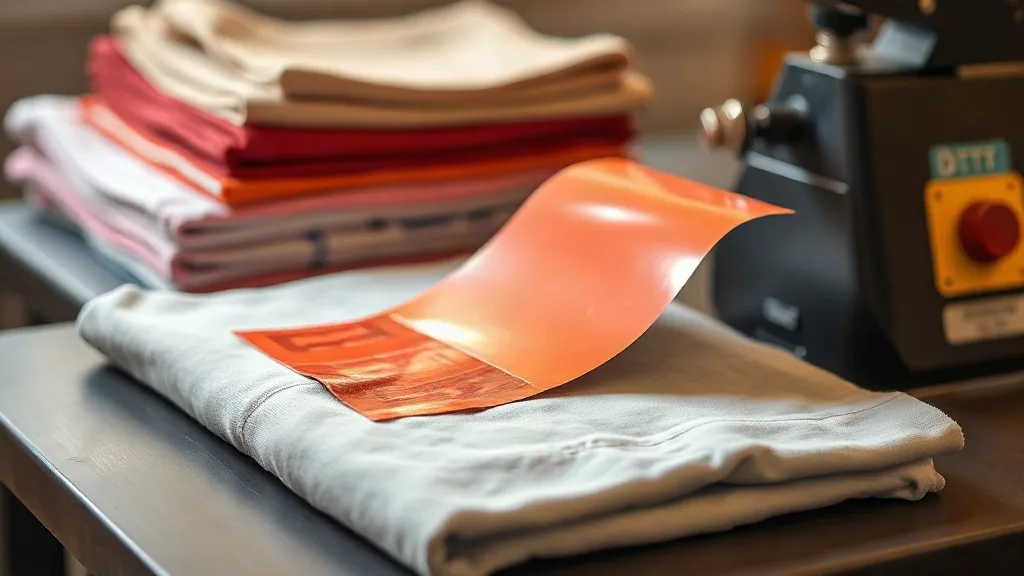
You've dialed in your printer settings, your powder application is spot-on, and your press is calibrated. Yet sometimes, the final transfer just doesn't look as crisp or feel as durable as it should. The culprit? Often, it's the blank you're pressing onto. Choosing the right garment or substrate is just as critical as mastering the dtf transfers process itself. In this guide, we'll explore how fabric composition, weave, color, and finish influence the quality of your DTF prints, and we'll share practical tips to help you select blanks that deliver professional, long-lasting results.
Why the Blank Matters for DTF Transfers
DTF transfers rely on a thermoplastic polyurethane (TPU) film that adheres to the fabric when heat and pressure are applied. The bond between the transfer and the garment depends on how well the adhesive can penetrate the fabric surface. Fabrics with tight weaves, heavy coatings, or moisture-repellent finishes can prevent proper adhesion, leading to peeling, cracking, or a washed-out appearance. Conversely, the right blank provides a receptive surface that locks the ink in place, ensuring vibrant colors and a soft hand feel that lasts.
Fabric Composition: The Foundation of a Great Print
Natural Fibers: Cotton and Beyond
100% cotton is the gold standard for DTF printing. Its porous nature allows the adhesive to grip effectively, resulting in excellent wash durability and color vibrancy. Ringspun cotton, with its smoother surface, yields a softer hand feel and finer detail, making it ideal for intricate designs. Blends like cotton/polyester (50/50) also work well, but keep in mind that higher polyester content may require slight adjustments to pressing temperature and time.
Synthetic Fabrics: Polyester and Blends
Polyester and synthetic blends are popular for sportswear and performance gear, but they can be trickier for DTF. The smooth, non-porous surface of polyester can hinder adhesion, and some dyes may migrate into the transfer film when heated, causing discoloration. To mitigate this, look for fabrics with a tight knit and avoid those with silicone or water-repellent finishes. When pressing on polyester, lower the temperature slightly (around 300°F instead of 325°F) and use light pressure to prevent the fabric from scorching or the transfer from over-melting.
Specialty Fabrics: Canvas, Denim, and More
DTF isn't just for t-shirts. Canvas, denim, and even some leathers can be decorated with DTF transfers, provided they can withstand the heat. However, heavy textures like canvas may require a longer press time to ensure the adhesive penetrates the fibers. Always test on a swatch before committing to a full production run.
Weave and Texture: The Hidden Factor
The weave of a fabric affects how the transfer sits on the surface. Tightly woven fabrics, such as combed cotton or poplin, provide a smooth canvas that allows the transfer to lie flat, minimizing the risk of edges lifting. Loosely woven or coarse fabrics, like burlap or heavy fleece, have uneven surfaces that can prevent full contact between the transfer and the fabric, leading to poor adhesion. For best results with textured fabrics, consider using a pressing pillow or a heat press with adjustable pressure to ensure even contact.
Color and Opacity: Getting the Most Out of Your Transfers
DTF transfers are printed with white ink as a base, which makes them opaque and suitable for both light and dark garments. However, the color of the blank can still influence the final appearance. On dark colors, the white base ensures the design pops, but on very dark or saturated fabrics, a slightly thicker white layer may be needed to prevent the background from showing through. On light colors, the white base can sometimes make the design look slightly muted, so it's essential to proof your colors on the actual garment. Additionally, some fabrics may have a slight tint that affects color accuracy; always check a test print on the same material.
Pre-Treatment and Finishes: What to Watch For
Many garments come with finishes like anti-wrinkle agents, silicone softeners, or moisture-wicking treatments. These can create a barrier that prevents the DTF adhesive from bonding properly. If you're unsure, wash the garment before pressing (without fabric softener) to remove surface coatings. Also, avoid using fabric softener in the wash, as it can leave a residue that interferes with adhesion. For garments that cannot be washed, a quick press with a heat press or iron can sometimes help evaporate surface moisture and improve adhesion.
Testing: The Key to Consistent Results
Before committing to a large order, always perform a test press on the exact blank you plan to use. This simple step can save you time, money, and frustration. Here's a quick testing protocol:
- Press a small transfer onto a scrap piece of the fabric following your usual settings.
- Allow it to cool completely (at least 24 hours for a full cure).
- Perform a wash test: wash and dry the sample according to the garment's care instructions, then inspect for peeling, cracking, or fading.
- Check the hand feel: the transfer should be soft and flexible, not stiff or plastic-like.
If the transfer passes these tests, you can proceed with confidence.
Sourcing Blanks: Where to Find Quality Garments
Not all blanks are created equal. Cheap garments may have inconsistent weaves, heavy coatings, or poor dye lots that can ruin your prints. Invest in blanks from reputable manufacturers that prioritize quality control. When searching for dtf transfers near me, consider local suppliers who can provide samples and ensure consistent stock. Online forums and reviews can also point you toward reliable brands. Remember, the cost of a good blank is negligible compared to the cost of a failed transfer and a dissatisfied customer.
Maximizing Durability: Care Instructions for Your Customers
Even with the perfect blank, proper care extends the life of the print. Include care instructions with every DTF-printed item: wash inside out in cold water, avoid fabric softener and bleach, tumble dry low or hang dry, and iron on the reverse side if needed. These simple steps will keep the transfer looking fresh for years.
Frequently Asked Questions
Can I use DTF transfers on 100% polyester?
Yes, but polyester requires careful handling. Lower the press temperature to about 300°F, use light pressure, and test for dye migration. Some polyester fabrics with heavy finishes may need pre-washing to remove coatings.
What is the best fabric for DTF transfers?
100% cotton is generally the best due to its porous nature, which allows for excellent adhesion and vibrant colors. Cotton/poly blends also work well, but pure synthetics require more attention.
How do I prevent the transfer from peeling after washing?
Ensure proper adhesion by pre-pressing the garment to remove moisture, using the correct temperature and pressure, and allowing the transfer to cool completely before washing. Also, avoid fabric softener and wash inside out.
Can I DTF print on dark colors?
Absolutely. DTF transfers include a white ink base that makes them opaque, so they show up vividly on dark garments. Just ensure the white layer is sufficiently thick to prevent the background from showing through.
Choosing the right blank is a skill that develops with experience. By understanding how fabric composition, weave, color, and finishes interact with the dtf process, you'll consistently produce transfers that look professional and stand the test of time. Remember to test, source quality blanks, and educate your customers on proper care. Your attention to these details will set your work apart and keep clients coming back.