DTF transfers have taken the custom apparel industry by storm, offering a flexible and vibrant alternative to traditional screen printing and heat transfer vinyl. Whether you're a small business owner, a hobbyist, or just someone curious about the latest trends, understanding this technology can open up a world of possibilities. In this guide, we'll break down how DTF works, its benefits, and why it might be the perfect solution for your next project.
What Are DTF Transfers?
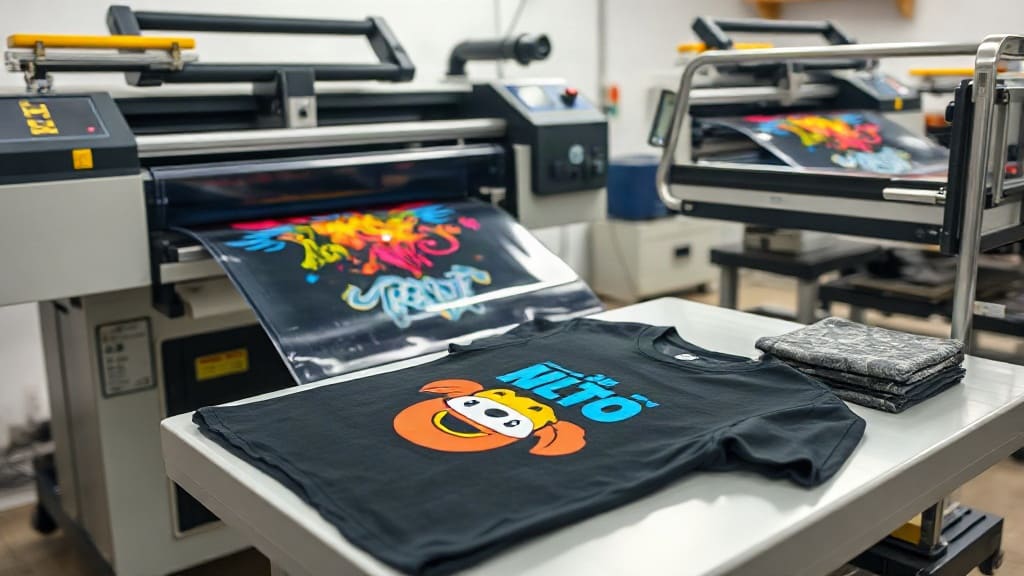
DTF stands for Direct to Film. It's a printing method where a design is printed onto a special film using a DTF printer and then transferred onto fabric using a heat press. Unlike Direct to Garment (DTG) printing, which prints directly on the shirt, DTF prints on a film first, which gives it more versatility. You can apply the transfer to a wide variety of materials, including cotton, polyester, blends, and even hard surfaces like mugs.
How Does the DTF Process Work?
The process might sound complex, but it's actually quite straightforward once you see it in action. Here’s a step-by-step breakdown:
- Printing: A DTF printer prints your design in reverse (mirrored) onto a special PET film using CMYK ink plus white ink. The white ink is crucial because it creates an underbase that ensures colors pop on dark fabrics.
- Adhesive Powder: While the ink is still wet, the film is coated with a hot-melt adhesive powder. This powder is what allows the transfer to bond with the fabric during heat pressing.
- Shaking and Drying: The film is then shaken to remove excess powder and passed through a dryer or heat source to melt the adhesive slightly, fixing it to the ink.
- Transfer: The film is placed on the fabric, and a heat press is applied with specific temperature, pressure, and time settings. The heat melts the adhesive, and the design is transferred to the fabric.
- Peeling: After pressing, the film is peeled away, leaving a soft, durable print on your garment.
Why Choose DTF Transfers?
There are many reasons why DTF transfers have become a favorite among apparel decorators. Let’s explore some of the key advantages:
Versatility Across Fabrics
One of the biggest selling points is the ability to print on a wide range of materials. Whether you're working with 100% cotton tees, polyester sportswear, or tricky blends, DTF handles it all without compromising quality. This is a huge advantage over methods like sublimation, which only works on polyester.
Vibrant Colors and Fine Details
DTF allows for high-resolution prints with vibrant, opaque colors. The white ink underbase ensures that your design looks just as good on a black shirt as it does on a white one. Plus, you can print intricate details like small text and thin lines that might be challenging with other methods.
Durability and Softness
DTF prints are known for their durability. They can withstand multiple washes without cracking or fading, especially when applied correctly. The hand feel is also excellent – the print is soft and flexible, not stiff like some vinyl transfers. This makes it perfect for apparel that needs to be comfortable, like t-shirts and hoodies.
Cost-Effective for Small Runs
Unlike screen printing, which has high setup costs and is only economical for large orders, DTF is cost-effective even for small batches. There's no need for screens or extensive setup, so you can print one item or a hundred with ease. This makes it ideal for print-on-demand businesses, custom orders, and small businesses.
No Minimum Orders
With DTF, you can fulfill orders of any size. This flexibility is crucial in today's market where customers expect quick turnaround times and personalized products. You don't have to worry about meeting a minimum quantity, which reduces inventory risk.
DTF vs. Other Methods
To fully appreciate DTF transfers, it helps to compare them with other popular techniques. Here’s a quick comparison:
- Screen Printing: Great for bulk orders and solid colors, but set-up is expensive and time-consuming. Not practical for small runs or full-color designs.
- Heat Transfer Vinyl (HTV): Perfect for simple designs and lettering, but cutting and weeding is labor-intensive. Not ideal for multi-color or highly detailed graphics.
- DTG (Direct to Garment): Similar to DTF in terms of detail and color, but requires a pre-treatment for dark fabrics and is slower for production runs. Also, DTG prints can feel heavier on the fabric.
- Sublimation: Produces vibrant prints that are embedded in the fabric, but only works on polyester or light-colored fabrics. Not suitable for cotton.
As you can see, DTF offers a unique balance of quality, versatility, and cost-effectiveness, making it a smart choice for many applications.
Tips for Perfect DTF Transfers
Getting the best results with DTF requires attention to detail. Here are some actionable tips:
Choose the Right Film and Ink
Invest in high-quality PET film and DTF inks. Cheaper options might save money upfront but can lead to issues like poor adhesion, color bleeding, or cracking. Look for reputable brands that offer good support.
Calibrate Your Printer
Properly calibrate your printer for accurate color reproduction. Use ICC profiles to ensure that the colors you see on screen match the final print. Regular maintenance, like cleaning printheads, is also essential.
Perfect Your Powder Application
The adhesive powder must be applied evenly. Use a shaker or powder station to ensure consistent coverage. Avoid over-powdering, which can cause a thick, stiff feel, and under-powdering, which leads to poor adhesion.
Master the Heat Press Settings
Temperature, pressure, and time are critical. Typically, DTF transfers require around 320°F (160°C) for 15-20 seconds with medium pressure. However, always follow the recommendations from your film and powder suppliers, as they can vary.
Pre-Press Your Garment
Pre-press your garment for a few seconds to remove moisture and wrinkles. This ensures a smooth surface and better adhesion.
Test Before Full Production
Always do a test press on a scrap piece of fabric before running your entire order. This helps you tweak settings and avoid costly mistakes.
Common Mistakes to Avoid
Even experienced decorators can stumble. Here are common pitfalls and how to sidestep them:
- Skipping the Test Print: Always test your design on a sample to check colors and adhesion.
- Ignoring Fabric Type: While DTF works on many fabrics, performance can vary. Adjust your settings for different materials, like using lower temperature for synthetics.
- Not Using Enough Pressure: Insufficient pressure can result in a poor transfer. Make sure your press is evenly distributed.
- Peeling Too Soon: Let the transfer cool down a bit before peeling, unless your film specifies hot peel. Follow the instructions for the best finish.
Applications of DTF Transfers
DTF transfers are incredibly versatile. Here are some popular uses:
- Custom Apparel: T-shirts, hoodies, sweatshirts, and jackets for personal use or business merchandising.
- Sports Uniforms: Durable enough for activewear, with vibrant colors that stand out on the field.
- Workwear and Corporate Branding: Print company logos on polos, caps, and safety vests.
- Promotional Products: Create custom tote bags, aprons, and other promotional items.
- Personalized Gifts: From family reunion tees to pet portraits, DTF makes it easy to create one-of-a-kind gifts.
How to Get Started with DTF Transfers
If you're ready to dive in, you have two main options: invest in your own DTF setup or outsource to a professional service. For small businesses and hobbyists, outsourcing might be more practical initially. Many companies offer custom DTF transfers where you simply send your design, and they produce the transfer films for you. This eliminates the need for expensive equipment and lets you test the waters.
If you plan to produce in high volumes, buying a DTF printer and accessories can be a worthwhile investment. Look for a printer that suits your budget and production needs, and don't forget the necessary supplies: film, ink, powder, and a heat press.
Is DTF Right for You?
DTF is an excellent choice if you value flexibility, quality, and efficiency. Whether you're a seasoned professional or a newcomer, the technology is accessible and offers a high return on investment. It's particularly beneficial for businesses that handle custom orders, as it allows you to respond quickly to customer demands without sacrificing quality.
If you're still on the fence, consider starting small. Order some custom DTF transfers from a provider, apply them to a few garments, and see how they look and feel. You'll likely be impressed by the results and the ease of use.
Frequently Asked Questions
How long do DTF transfers last?
When applied correctly and cared for properly, DTF transfers can last as long as the garment itself. They are designed to withstand regular washing and wearing. To maximize longevity, wash inside out in cold water and avoid using bleach or fabric softeners.
Can DTF transfers be used on dark fabrics?
Absolutely. One of the standout features of DTF is its ability to print on dark colors. The white ink underbase ensures that your design is opaque and colors remain vibrant, even on black or navy materials.
What is the difference between DTF and DTG?
DTF (Direct to Film) prints on a film and then transfers to the fabric, while DTG (Direct to Garment) prints directly onto the garment. DTF is more versatile in terms of fabric types and doesn't require pre-treatment on dark garments. DTG is faster for larger orders on cotton, but DTF offers easier scalability for small runs.
Do DTF prints crack or peel?
With proper application and quality materials, DTF prints are very durable and resistant to cracking and peeling. The key is to use the right temperature, pressure, and time, and to follow the manufacturer's guidelines. Also, avoid over-stretching the fabric during wear or washing.
Can I use DTF transfers on materials other than fabric?
Yes, DTF transfers can be applied to various hard surfaces like mugs, mousepads, and even wood, as long as they can withstand heat and pressure. However, the process may require different settings and adhesives for non-fabric substrates.
In summary, DTF transfers are a game-changer in the world of custom printing. They combine the best of both worlds: the detail and color of digital printing with the versatility and durability of heat transfers. Whether you're looking to start a business or simply create custom apparel for fun, DTF offers a reliable and cost-effective solution. So why not give it a try? You might just find that it's the perfect fit for your needs.