If you've been searching for a versatile and cost-effective way to create custom apparel, DTF transfers might be the answer you've been looking for. Direct-to-film printing has taken the industry by storm, offering a flexible solution for both small businesses and hobbyists. Unlike traditional methods that require expensive equipment or extensive setup, DTF allows you to print full-color designs onto a special film and then transfer them onto almost any fabric. In this article, you'll learn exactly how DTF works, why it's become so popular, and how you can use it to take your custom apparel game to the next level.
What Are DTF Transfers?
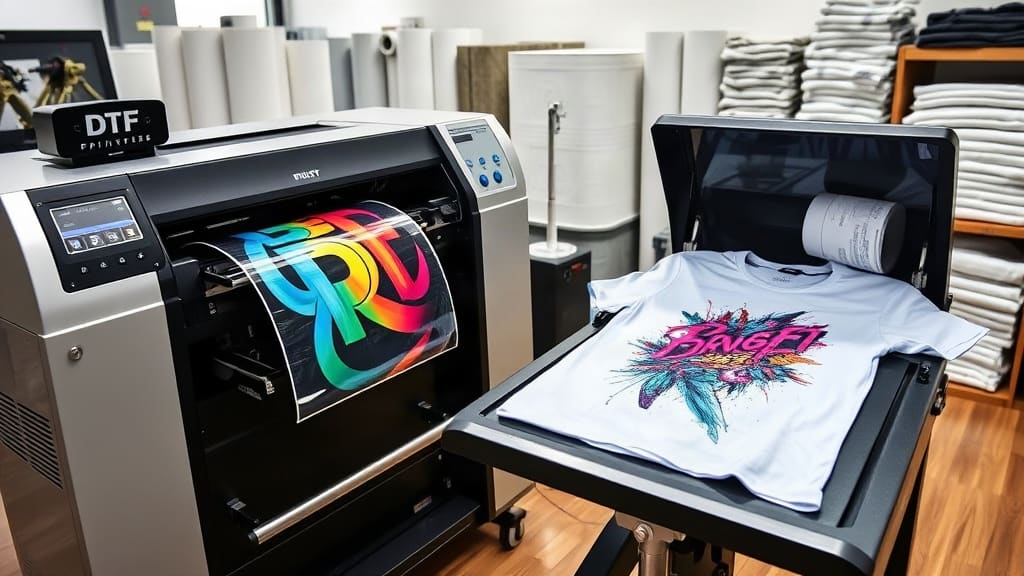
DTF stands for Direct to Film, a printing process where your design is printed onto a specialized PET film using a DTF printer and pigmented inks. After printing, a hot-melt adhesive powder is applied to the wet ink, and the powder is melted and cured. The result is a transfer that you can store and later apply to a garment using a heat press. This method is incredibly versatile because it works on a wide range of fabrics, including cotton, polyester, blends, and even materials like nylon and leather. The beauty of DTF transfers is that they offer the vibrancy and detail of digital printing with the durability and feel of screen printing.
How DTF Transfers Work: A Step-by-Step Overview
Understanding the mechanics of DTF can help you appreciate why it's such a game-changer. Here's a breakdown of the process from start to finish:
- Design Creation: Your artwork is prepared using graphic design software. DTF printing can handle intricate details, gradients, and a vast color palette, so there's little limitation on what you can create.
- Printing: The design is printed onto a roll of PET film using a specialized DTF printer. These printers are similar to inkjet printers but use CMYK plus white ink to ensure that designs pop on dark garments.
- Adhesive Application: While the ink is still wet, a hot-melt adhesive powder is applied to the film. This powder is essential because it bonds the ink to the fabric during the heat press.
- Curing: The film with the powder is passed through a dryer or heated to melt the adhesive, creating a stable transfer.
- Storing: Once cured, the transfers can be rolled and stored for future use. They have a decent shelf life, making them perfect for on-demand printing.
- Heat Pressing: When you're ready to apply the transfer, you place it on your garment and press it with a heat press at around 300°F for 10-15 seconds. After peeling the film, your design is permanently fused to the fabric.
This process might sound complex, but with the right equipment and a bit of practice, it becomes second nature. Many businesses have adopted DTF because it allows them to produce orders quickly without needing to set up screens or create special masks.
Why DTF Transfers Are Winning Over Screen Printing and Sublimation
In the world of custom apparel, screen printing and sublimation have long been the go-to methods. However, DTF transfers are now challenging their dominance. Here are some key reasons why:
Versatility Across Fabrics
Screen printing works best on cotton, while sublimation is only suitable for polyester or polymer-coated surfaces. DTF breaks these barriers. You can print on cotton, polyester, blends, and even more exotic materials like canvas or denim. This versatility opens up a world of possibilities for products like tote bags, caps, and even mousepads.
No Weeding or Complex Setup
If you've ever worked with vinyl, you know the pain of weeding out excess material. DTF eliminates that tedious step. Your design is printed and transferred whole, no matter how intricate. This saves hours of labor, especially when dealing with complex logos or multi-colored graphics.
Vibrant Colors on Dark Fabrics
One of the biggest challenges in apparel printing is getting colors to pop on dark shirts. DTF solves this with a white ink layer that is printed as a base. This ensures that your design's colors remain true and vivid, even on black or navy garments.
Soft Hand Feel and Durability
Unlike heavyweight plastisol prints, DTF transfers have a soft, flexible feel that doesn't crack or fade easily. The adhesive powder bonds deeply into the fabric fibers, creating a print that can withstand repeated washing and wearing. This makes them ideal for sportswear and everyday wear.
Cost-Effective for Small Runs
Setting up screens for screen printing is expensive and only makes sense for large quantities. DTF has no setup costs, so you can print just one shirt or a thousand at the same price per piece. This makes it perfect for small businesses, side hustles, and personalized gifts.
Practical Tips for Achieving Flawless DTF Transfers
Getting perfect results with DTF requires attention to detail. Here are some insider tips to help you avoid common pitfalls:
- Use High-Quality Film and Ink: The quality of your PET film and inks directly affects the final result. Cheap materials can lead to poor adhesion, fading, or a stiff hand feel. Invest in reputable brands.
- Master Your Heat Press Settings: Temperature, pressure, and time are critical. Always test with a sample fabric to find the sweet spot. Too little heat and the adhesive won't bond; too much and you might scorch the fabric.
- Peel While Warm or Cool? Some transfers require hot peeling, others cold. Follow the manufacturer's instructions. Typically, DTF transfers are peeled warm, but it varies with the powder and film.
- Pre-Press Your Garments: Moisture and wrinkles can cause issues. Pre-press your shirts for a few seconds to eliminate moisture and flatten the surface.
- Handle with Care: The printed film is sensitive before pressing. Avoid touching the printed areas to prevent smudging or contamination.
- Store Transfers Properly: If you're storing transfers for later use, keep them in a cool, dry place away from direct sunlight. Humidity can degrade the adhesive.
Following these tips will help you achieve professional-looking results every time.
Common Applications and Creative Ideas
The versatility of DTF transfers means you can use them for more than just t-shirts. Here are some creative ways to leverage this technology:
- Custom Tote Bags: DTF works wonderfully on canvas tote bags, giving you the ability to create personalized shopping bags or event giveaways.
- Polo Shirts and Uniforms: For corporate apparel, DTF offers a quick way to add logos without ordering large quantities.
- Hats and Caps: With a suitable heat press attachment, you can transfer designs onto the front or back of caps.
- Children's Clothing: Because of the soft feel and durability, DTF is perfect for baby onesies and kids' tees that need to withstand frequent washing.
- Home Decor: Think throw pillows, curtains, or even fabric wall art. DTF opens up a new realm of personalized home accents.
- Pet Apparel: Dress your furry friends in style with custom bandanas or sweaters.
Don't be afraid to experiment. The only limit is your imagination and the fabric's ability to withstand heat.
Frequently Asked Questions About DTF Transfers
What is the difference between DTF and DTG printing?
DTG (Direct to Garment) prints directly onto the fabric using an inkjet printer. DTF prints onto a film first and then transfers to the fabric. DTG is great for cotton but struggles on polyester and dark fabrics without pre-treatment. DTF works on a wider range of materials and often produces more vibrant results on dark garments.
How many washes can a DTF transfer withstand?
With proper application and garment care, a DTF transfer can last for 50 or more washes. It's important to wash inside out in cold water and avoid using harsh detergents or bleach. Tumble drying on low is acceptable, but air drying is gentler.
Can I use DTF transfers on dark shirts without a white underbase?
No, a white underbase is essential for dark fabrics. The white ink acts as a primer to keep the colors bright and opaque. Without it, your design would appear dull or see-through.
Do I need a special printer to make DTF transfers?
Yes, you need a DTF printer equipped with pigment inks and a white ink channel. These are specialized printers, but you can also convert some models or use a DTF conversion kit. It's best to invest in a dedicated DTF printer to ensure consistent quality.
Is DTF transfers cost-effective for small orders?
Absolutely. Since there's no setup fee, you can print a single item at a reasonable cost. This makes it ideal for personalized gifts, sample runs, or small batches for local events.
Final Thoughts: Should You Jump into DTF Transfers?
If you're looking for a printing method that offers flexibility, quality, and ease of use, DTF transfers are definitely worth considering. They bridge the gap between the affordability of screen printing and the versatility of digital printing. Whether you're a seasoned professional or just starting your custom apparel journey, DTF provides a low-barrier entry point with impressive results. By understanding the process, investing in the right equipment, and mastering the application techniques, you can create stunning, durable products that your customers will love. So why not give DTF a try? It might just be the solution you've been searching for.