Are you looking for DTF printing solutions and wondering how to locate the best DTF transfers providers in your area? Whether you're a business owner wanting to expand your product line or a hobbyist creating custom apparel, DTF (Direct to Film) printing has become a popular and versatile method. In this guide, we'll explore everything you need to know about finding DTF transfers near me, what to consider before making a choice, and how to ensure you get top-notch results.
What Are DTF Transfers?
DTF transfers are a printing technique where a design is printed onto a special film, coated with adhesive powder, and then heat-pressed onto fabric. Unlike traditional screen printing or vinyl, DTF allows for vibrant, detailed, and stretchable prints that can be applied to various materials like cotton, polyester, blends, and even hard surfaces. This innovation has made custom apparel production more accessible and economical, especially for small batches and complex designs.
How Does DTF Printing Work?
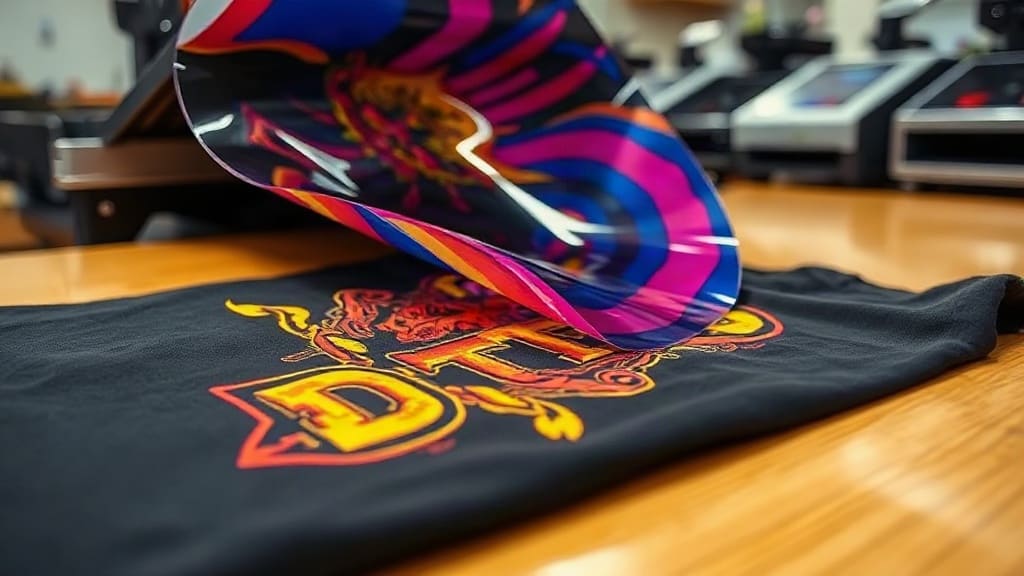
The process involves printing your artwork onto a PET film using specialized DTF printers and inks. After printing, an adhesive powder is applied to the wet ink, and the film is cured. The transfer is then placed onto the garment and pressed with a heat press, which melts the adhesive and binds the design to the fabric. The film is peeled away, leaving a soft, durable print that doesn't crack or fade easily.
Why Choose DTF Transfers Over Other Methods?
Many custom apparel creators are switching to DTF because of its numerous benefits:
- Versatility: Works on a wide range of fabrics, including dark and light colors, without needing a white underbase for every color.
- Detail and Color: Produces high-resolution images with vibrant colors, gradients, and fine details.
- Durability: The prints are stretchable and withstand many washes without fading.
- Cost-Effective: Ideal for small to medium orders; no screen setup costs.
- Speed: Quick turnaround times, especially when using pre-made transfers.
How to Find DTF Transfers Near Me
When you search for DTF transfers near me, you'll likely find a mix of local print shops and online services. Here's how to narrow down your options effectively:
1. Use Online Directories and Maps
Start with a simple Google search or use Google Maps. Type in DTF transfers near me and explore the results. Look for shops with reviews, photos, and contact information. Pay attention to ratings and customer feedback, as they often reflect the quality of service.
2. Check Social Media and Forums
Platforms like Instagram and Facebook are goldmines for local print shops. Search hashtags like #DTFtransfers or #customapparel and see who's active in your area. Join local business groups or crafting communities; members often share recommendations based on personal experiences.
3. Ask for Samples
Before committing, request samples from potential providers. A reputable shop will happily provide samples so you can assess print quality, durability, and color accuracy. This step is crucial to avoid disappointment later.
4. Evaluate Their Equipment and Expertise
Ask about the printers they use and their experience with DTF. A professional shop should have dedicated DTF printers and skilled operators who understand color management and film application.
5. Compare Pricing and Turnaround Times
Get quotes from multiple shops and compare. However, don't base your decision solely on price; consider the value for money. Also, ask about turnaround times, especially if you have deadlines.
What to Look for in a DTF Transfer Provider
Once you've shortlisted a few candidates, use these criteria to evaluate them:
Quality of Prints
Examine their previous work. Are the prints crisp and colors accurate? Do they offer white ink printing for dark garments? Look for close-up photos or request a sample to see the texture and finish.
Material Options
Ask about the types of films and adhesive powders they use. High-quality materials result in better adhesion and durability. Some providers offer different film finishes (matte vs. glossy) which can affect the final look.
Customization and File Requirements
Find out what file formats they accept (PNG, PDF, AI, etc.) and if they offer design assistance. A good provider will guide you on file preparation to ensure optimal results.
Customer Service
Communication is key. Choose a shop that responds promptly, answers your questions thoroughly, and seems genuinely interested in your project.
Location and Shipping
If you're ordering online, check their shipping times and costs. Some local shops offer pickup options, which can save time and shipping fees.
The Benefits of Using Local DTF Transfer Services
Opting for a local provider has its perks:
- Faster Turnaround: You can often get your transfers within days or even same-day if they offer rush services.
- Personal Interaction: You can discuss your project face-to-face, see samples, and build a relationship.
- Support Local Economy: By choosing local, you contribute to your community's growth.
- Lower Shipping Costs: Avoid shipping fees and potential delays.
How to Use DTF Transfers Effectively
Once you have your DTF transfers, proper application is crucial. Here are some tips:
Prepare Your Garment
Pre-press the garment for a few seconds to remove moisture and wrinkles. Ensure it's flat and free of lint.
Position the Transfer Correctly
Place the film on the desired spot, with the ink side facing down. Use heat-resistant tape to secure it if needed.
Set the Right Temperature and Pressure
Most DTF transfers require a temperature of around 300°F to 320°F (149°C to 160°C) with firm pressure for 10-15 seconds. Follow the instructions provided by your supplier.
Peel Hot or Cold?
Some films require hot peeling (immediately after pressing), while others need to cool down first. Check the manufacturer's guidelines. For DTF, hot peeling is common but not universal.
Post-Press
After peeling, you might need to do a quick post-press with a Teflon sheet to enhance durability and flatten the print.
Common Mistakes to Avoid
To get the best results, steer clear of these pitfalls:
- Using the wrong film: Ensure you're using the film recommended for your specific printer and ink.
- Incorrect powder application: Too little powder leads to poor adhesion; too much causes a rough finish. Apply evenly.
- Improper storage: Keep your transfers in a cool, dry place to prevent adhesive degradation.
- Ignoring test prints: Always do a test press on a scrap garment before applying to your final product.
Cost Considerations for DTF Transfers
The price of DTF transfers varies based on size, colors, quantity, and the provider. Generally, you can expect to pay anywhere from $1 to $10 per transfer for standard sizes. Some providers offer discounts for bulk orders. Online services often have lower base prices but may charge shipping. Local shops might have slightly higher rates but offer convenience.
DIY vs. Professional DTF Transfers
If you're considering investing in your own DTF printer, weigh the initial cost (which can range from $3,000 to $10,000 or more) against the volume of transfers you'll produce. For occasional use or small orders, ordering from a professional is more cost-effective and ensures consistent quality.
DTF Transfers Near Me: Online vs. Local
Sometimes, the nearest option isn't the best. While you search for DTF transfers near me, also consider reputable online services. They often have more advanced equipment and can handle larger orders. However, if you need quick turnaround or prefer face-to-face service, a local shop is advantageous. Weigh the pros and cons based on your specific needs.
Frequently Asked Questions
How long do DTF transfers last?
With proper application and care, DTF prints can last for many washes. The durability depends on the quality of the transfer and the washing conditions. Generally, they withstand 50+ washes without significant fading or cracking.
Can DTF transfers be used on any fabric?
DTF transfers are highly versatile and adhere well to cotton, polyester, blends, and even some synthetic fabrics. However, always test on a small area first to ensure compatibility, especially for specialty materials like nylon or leather.
Do I need a special heat press for DTF?
Any standard heat press will work, as long as it can reach the required temperature and pressure. A clamshell or swing-away press is suitable. Ensure your press provides even pressure across the platen.
Can I get DTF transfers in small quantities?
Yes, many providers offer no minimum order quantities, making DTF ideal for small projects or test runs. You can order just a few transfers to try out the process.
What file format should I use for DTF transfers?
Most providers accept high-resolution PNG files with transparent backgrounds. Other formats like PDF, AI, or EPS are also common. Always check the provider's requirements to avoid errors.
Conclusion
Finding reliable DTF transfers near me doesn't have to be challenging. By following the tips in this guide, you can locate a provider that meets your needs and delivers high-quality transfers that meet your expectations. Whether you choose a local shop or an online service, always prioritize quality and customer service. With the right partner, you can create stunning custom apparel that stands out.