
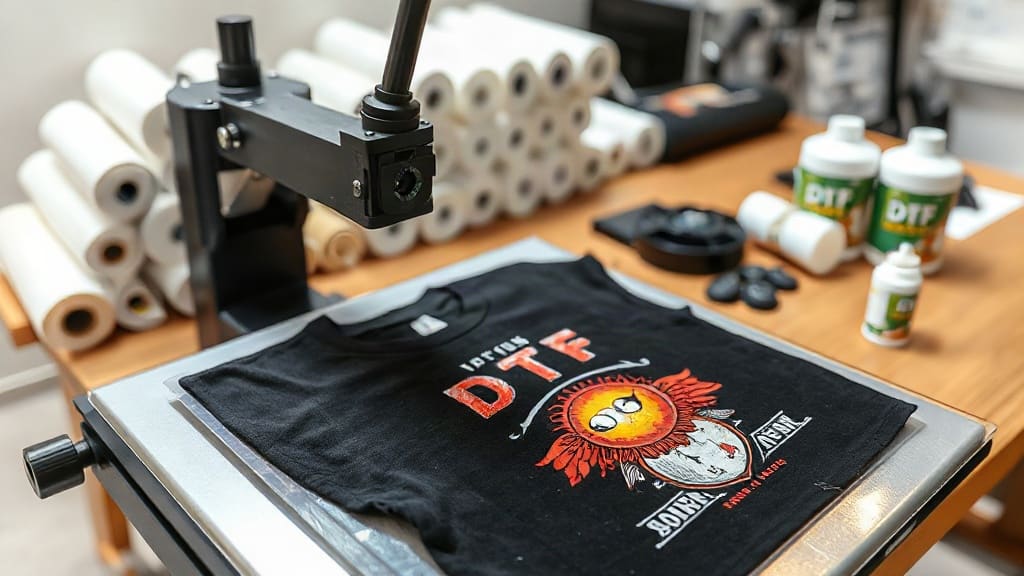
If you're looking for a versatile and cost-effective way to create custom apparel, DTF transfers (Direct to Film) have become a game-changer. This printing technique has taken the industry by storm because it offers a perfect balance of durability, color vibrancy, and ease of use. Whether you're a small business owner, a hobbyist, or a large-scale producer, understanding how DTF transfers work can open up new opportunities for your designs. In this comprehensive guide, we'll break down what DTF transfers are, how they compare to other methods, and how you can use them to produce professional-quality garments.
What Are DTF Transfers?
DTF transfers involve printing your design onto a special PET film using a DTF printer, then applying an adhesive powder to the wet ink, and finally curing it. This creates a transfer that can be heat-pressed onto various fabrics. Unlike traditional screen printing, which requires separate screens for each color, DTF allows for full-color designs with no extra setup costs. This makes it ideal for small batch orders, intricate artwork, and even single custom pieces.
How Does DTF Printing Work?
The process might seem complex at first, but it's actually quite straightforward. Here’s a step-by-step breakdown:
- Printing: Your design is printed in reverse onto a PET film using DTF inks (usually CMYK plus white). The white ink is crucial for printing on dark fabrics because it provides an opaque base.
- Adhesive powder: While the ink is still wet, a hot-melt adhesive powder is applied to the film. This powder sticks only to the printed areas, creating a sticky layer that will bond with the fabric.
- Drying/curing: The film is heated to melt the powder and dry the ink, making the transfer ready for later use.
- Pressing: You place the transfer onto your garment with the printed side down, apply heat and pressure with a heat press, and then peel off the film. The result is a vibrant, durable print.
This process is highly efficient because you can print multiple designs on a single sheet of film, cut them out, and store them for later. It also allows for on-demand printing, reducing inventory waste.
Benefits of DTF Transfers
Why have DTF transfers become so popular? Here are some key advantages:
- Vibrant colors: The white ink layer ensures that colors pop even on dark fabrics, and the ink itself is highly pigmented.
- Durability: DTF prints are stretchable and can withstand repeated washing without cracking or fading.
- Versatility: They can be applied to cotton, polyester, blends, and even some hard surfaces like wood or glass.
- No minimum orders: You can print one or a thousand, making it perfect for custom orders and small businesses.
- Soft hand feel: Unlike screen-printed heavy inks, DTF transfers have a soft texture that doesn't compromise comfort.
- Cost-effective for small batches: Without the need for screens or plates, setup costs are minimal, making it ideal for short runs.
DTF vs. Other Transfer Methods
To truly appreciate DTF transfers, it helps to compare them with other popular techniques like screen printing, vinyl, and sublimation.
DTF vs. Screen Printing
Screen printing is still preferred for massive orders because of its low per-unit cost at high volumes. However, it requires significant setup, and each color needs its own screen. DTF is far more flexible, allowing you to print complex, multi-colored designs without extra setup, and it's perfect for orders of fewer than 50 pieces.
DTF vs. Vinyl
Vinyl (or HTV) is great for simple, one-color designs with crisp edges, but it's not suited for photographic or highly detailed artwork. DTF can replicate gradients, shadows, and fine details with ease, and it feels softer on the fabric.
DTF vs. Sublimation
Sublimation works only on polyester fabrics and requires white garments for vibrant results. DTF, on the other hand, works on a wide range of fabrics, including cotton, making it far more versatile. Sublimation also requires a full-press process, while DTF transfers can be applied quickly with a heat press.
How to Use DTF Transfers for Your Business
If you're considering adding DTF transfers to your printing arsenal, here are some practical tips:
- Invest in quality equipment: A reliable DTF printer and a heat press are essential. You can also purchase pre-printed DTF transfers from suppliers if you don't want to print them yourself.
- Choose the right film and powder: The quality of your PET film and adhesive powder significantly affects the outcome. Always opt for reputable brands.
- Test your settings: Different fabrics require different press times and temperatures. Always test on a sample piece before production.
- Handle prints with care: Store your DTF transfers in a cool, dry place to prevent the powder from activating prematurely.
- Educate your customers: Provide washing instructions to ensure longevity: wash inside out in cold water and avoid ironing directly on the print.
Common Mistakes to Avoid
Even experienced printers can run into issues with DTF transfers. Here are a few pitfalls to watch out for:
- Not using enough pressure: Insufficient pressure can result in poor adhesion. Aim for around 40-60 PSI depending on your press.
- Peeling too early or late: Follow the manufacturer's guidelines for peeling (hot or cold). Most DTF transfers are peeled cold, but some films require hot peel.
- Skipping the drying step: If the powder isn't properly cured, it can stick to the film or transfer poorly.
- Ignoring fabric type: Some low-quality polymers may not bond well with DTF. Always test on the actual fabric you plan to use.
Frequently Asked Questions
Can DTF transfers be reused?
No, DTF transfers are single-use. Once you press them onto fabric, the adhesive is spent, and the film cannot be reused.
What fabrics are best for DTF transfers?
DTF transfers work best on cotton, cotton blends, polyester, and even nylon. However, they may not adhere well to very slippery or waterproof materials like oilcloth. Always test first.
How do I remove DTF transfers?
To remove a DTF transfer, you can use a heat press to reheat the transfer and then gently peel it off. Alternatively, use a solvent like rubbing alcohol to break down the adhesive, but this may damage the fabric.
Are DTF prints washable?
Yes, DTF prints are highly washable if cured properly. They can withstand multiple washes without cracking or fading, provided you follow care instructions.
Can I make DTF transfers at home?
Yes, you can make DTF transfers at home with a DTF printer, PET film, adhesive powder, and a heat press. However, the initial investment can be high, so many people start by buying pre-printed transfers.
Conclusion
DTF transfers are a revolutionary printing method that offers flexibility, quality, and convenience. Whether you're creating custom t-shirts for a small business or producing samples for a larger campaign, DTF transfers deliver exceptional results. By understanding the process, benefits, and best practices, you can confidently incorporate this technology into your workflow and elevate your apparel printing to new heights. So go ahead, experiment with DTF transfers, and see why so many professionals are making the switch.