If you've recently explored custom printing, you've likely heard about DTF transfers. This technology has taken the apparel industry by storm, offering a flexible and cost-effective way to create vibrant designs on various fabrics. Whether you're a small business owner, a hobbyist, or just curious about printing methods, understanding DTF transfers can open up new creative possibilities. In this guide, we'll dive deep into what DTF transfers are, how they work, and why they've become a go-to choice for many.
What Are DTF Transfers?
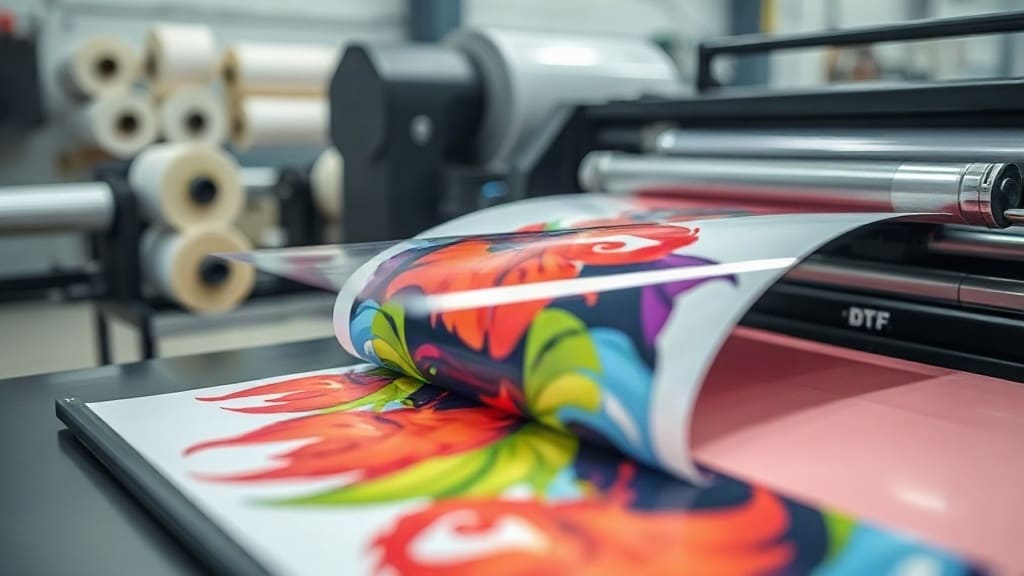
DTF stands for Direct to Film. It's a printing method where a design is printed onto a special PET film using a DTF printer and then transferred onto fabric using a heat press. Unlike traditional screen printing, DTF transfers don't require screens or complicated setups. Instead, you print your artwork, apply adhesive powder, and then heat press the film onto the garment. The result is a soft, durable print that can be applied to cotton, polyester, blends, and even some other materials.
How Does DTF Printing Work?
The process might sound simple, but each step is crucial for achieving high-quality results. Here's a breakdown:
- Design Your Artwork: Use graphic design software to create your design. Ensure it's mirrored (or flipped) before printing.
- Print on Film: Load a PET film into the DTF printer, which uses special DTF inks. The printer outputs your design onto the film.
- Apply Adhesive Powder: While the ink is still wet, cover the printed area with a fine adhesive powder. This powder acts as the bonding agent between the ink and the fabric.
- Shake Off Excess Powder: Remove the excess powder to leave a thin, even layer on the printed design.
- Dry the Film: Use an oven or a dryer to melt the powder and fix it into the ink. This step ensures the adhesive is evenly distributed.
- Heat Press: Place the film onto the garment with the design facing down. Apply heat and pressure using a heat press machine. The typical temperature is around 320°F (160°C) for 15 seconds.
- Peel: After pressing, peel the film off. For DTF, it's usually a hot peel, but some prefer cold peel for certain fabrics.
This process can be done on-demand, making it perfect for personalized items or small batch orders.
DTF Transfers vs. Other Methods
To appreciate DTF transfers, it's helpful to compare them to other popular printing techniques.
DTF vs. Screen Printing
Screen printing is known for its durability and vibrant colors, especially on light-colored garments. However, it requires a significant upfront investment in screens and setup. For small orders or multi-color designs, screen printing can be expensive and time-consuming. DTF transfers offer a quicker and more affordable solution for small batches. They also allow for photographic details and gradients that are difficult with screen printing.
DTF vs. DTG (Direct to Garment)
DTG printing is similar to DTF in that it prints directly onto the garment, but it uses a specialized printer that sprays ink onto the fabric. DTG is great for cotton but struggles with polyester. DTF transfers work on a wider range of fabrics and don't require pre-treatment of the garment. Plus, DTF transfers can be stored and applied later, giving you flexibility.
DTF vs. Vinyl (Heat Transfer Vinyl)
Vinyl is another popular heat transfer method, where you cut out designs from colored vinyl sheets. It's excellent for simple shapes and text but falls short when it comes to intricate, full-color designs. DTF transfers can reproduce complex artwork with many colors and details without the hassle of weeding and layering.
Benefits of DTF Transfers
Why are so many businesses switching to DTF transfers? Here are some compelling advantages:
- Versatility: Works on almost any fabric, including cotton, polyester, nylon, and blends.
- Soft Hand Feel: The print is thin and flexible, so it doesn't feel heavy or stiff on the garment.
- Durability: DTF prints can withstand many washes without cracking or fading, especially when applied correctly.
- On-Demand Production: No minimum order quantities. Print exactly what you need, when you need it.
- Cost-Effective for Small Runs: Setup costs are minimal compared to screen printing, making it ideal for small businesses.
- Full Color and Photo Quality: DTF printers can produce vibrant, high-resolution images with smooth gradients.
- Easy to Store: Once printed and powdered, the films can be stored for later use, which is great for reorders.
How to Get the Best Results with DTF Transfers
To achieve professional-looking prints, follow these tips:
1. Choose the Right Film and Inks
Not all films and inks are created equal. Use high-quality PET films that are designed specifically for DTF printing. Pair them with compatible DTF inks to ensure proper adhesion and color vibrancy.
2. Calibrate Your Printer
Make sure your printer is correctly calibrated to avoid color shifts and misalignment. Run regular test prints to check for any issues.
3. Use the Right Adhesive Powder
The adhesive powder should match the type of fabric you're printing on. Some powders are formulated for cotton, while others work better on synthetics. Test different powders to find the best one for your needs.
4. Set the Correct Press Temperature and Time
Different fabrics require different heat settings. For example, polyester can scorch at high temperatures, so you may need to lower the heat and increase the pressure. Always follow the manufacturer's recommendations and do a test press on a scrap piece first.
5. Apply Even Pressure
Uneven pressure can result in parts of the design not adhering properly. Ensure your heat press is set to the correct pressure and that the platen is clean.
6. Peel Carefully
Some films require a hot peel, while others need to cool down first. Check the instructions. Peeling too fast or too slow can affect the finish.
Common Mistakes to Avoid
Even experienced printers can run into issues. Here are some common pitfalls:
- Not mirroring the image: If you forget to flip your design, it will appear reversed on the garment.
- Applying too much powder: Excess powder can cause a rough texture or white edges.
- Using the wrong fabric settings: Each fabric type reacts differently to heat. Adjust accordingly.
- Skipping the test print: Always test on a sample to ensure the colors and adhesion are correct.
- Pressing too long or too short: Over-pressing can cause the ink to bleed, while under-pressing results in poor adhesion.
DTF Transfers for Small Business
If you run a custom apparel business, DTF transfers can be a game-changer. You can offer personalized T-shirts, hoodies, tote bags, and more without investing in expensive equipment. Many businesses use DTF transfers to fulfill orders on demand, reducing inventory and waste. You can even partner with a DTF transfer supplier to outsource the printing while you focus on design and sales.
One of the biggest advantages is the ability to print full-color designs with intricate details. This allows you to offer products that stand out from the competition. Additionally, since DTF transfers can be applied to a variety of fabrics, you can expand your product line beyond just cotton.
Frequently Asked Questions
How many washes can DTF transfers withstand?
DTF transfers are designed to be durable. With proper application, they can typically withstand 40-50 washes or more without significant fading or cracking. To extend the life of the print, wash garments inside out in cold water and avoid using harsh detergents.
Can DTF transfers be used on dark fabrics?
Absolutely! DTF transfers work exceptionally well on dark colors because the white ink layer acts as an underbase, making the colors appear vibrant. This is a major advantage over some other methods.
What is the difference between DTF and sublimation?
Sublimation requires polyester fabrics and only works on light-colored materials. DTF transfers can be used on many fabric types, including cotton, and on dark colors. Sublimation produces a permanent bond at a molecular level, while DTF sits on top of the fabric, but still offers excellent durability.
Do I need a special printer for DTF transfers?
Yes, you need a DTF printer that uses DTF inks and is equipped with a platen or similar system. Some standard printers can be converted, but it's recommended to use a purpose-built DTF printer for reliable results.
Can I use DTF transfers for small orders?
Definitely! One of the main benefits of DTF transfers is that you can produce them on demand with no minimum order quantity. This makes it perfect for small businesses, personalized gifts, or even single-item orders.
Final Thoughts
DTF transfers have revolutionized the custom printing industry by offering a simple, versatile, and high-quality solution. Whether you're a seasoned professional or just starting out, understanding how to use DTF transfers can help you create stunning apparel that meets your customers' expectations. With the right equipment and a bit of practice, you can produce prints that are both beautiful and durable. So, why not give DTF transfers a try? Your next creative project might just benefit from this amazing technology.