
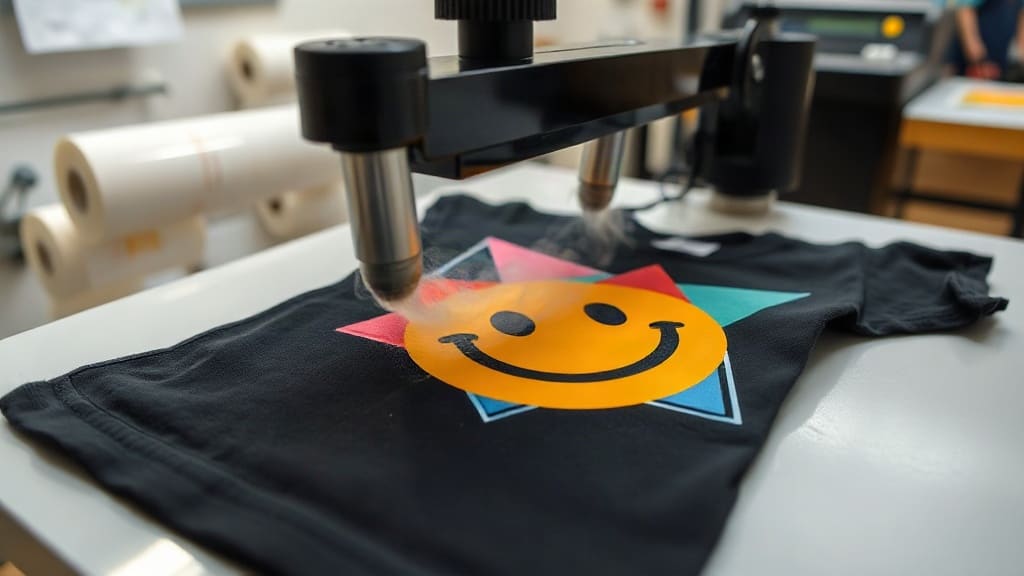
If you're looking for a versatile and cost-effective way to create custom apparel, DTF transfers might be the solution you've been searching for. DTF, which stands for Direct to Film, is a printing method that has taken the custom apparel industry by storm. In this guide, we'll explore what DTF transfers are, how they work, and why they might be the perfect choice for your next project. Whether you're a small business owner, a hobbyist, or just curious about the technology, you'll find valuable insights here.
What Are DTF Transfers?
DTF transfers are a type of heat transfer that involves printing a design onto a special film, applying adhesive powder, and then heat pressing the film onto a garment. Unlike traditional screen printing or vinyl heat transfers, DTF transfers allow for full-color, detailed designs with no minimum order quantities. This makes them incredibly popular for on-demand printing and small batch orders.
The process begins with a digital design, which is printed onto a PET film using a specialized DTF printer. After printing, a hot melt adhesive powder is applied to the wet ink, and the film is heated to cure the powder. The result is a transfer that can be stored and applied later, making it convenient for production flexibility.
How DTF Transfers Work: Step-by-Step
Understanding the process is key to getting the best results. Here’s how DTF transfers are typically made and applied:
- Design Preparation: Create or edit your artwork using graphic design software. Ensure it is high-resolution and in the correct color mode (CMYK or RGB, depending on your printer).
- Printing: The design is printed onto a roll or sheet of PET film using a DTF printer. These printers use specialized CMYK+White ink, which allows for vibrant colors and the ability to print on dark garments.
- Applying Adhesive Powder: While the ink is still wet, a hot melt adhesive powder is applied evenly over the entire printed area. This powder is what bonds the transfer to the fabric.
- Curing: The film is then passed through a heat source (like a curing oven or heat press) to melt the powder and fuse it with the ink. This creates a solid, flexible layer.
- Cutting: If you have individual transfers, they are cut out from the roll. For production, this step can be automated.
- Heat Press Application: To apply the transfer, pre-press your garment to remove moisture and wrinkles. Place the transfer on the garment with the film side up, and press using a heat press at the recommended temperature (usually around 320°F to 350°F) for 10-15 seconds with medium pressure.
- Peeling: After pressing, allow the transfer to cool for a few seconds, then peel off the film. You can choose between cold peel or hot peel depending on the film type. Cold peel is often recommended for best results.
Benefits of DTF Transfers
Why are DTF transfers becoming so popular? Here are some of the standout benefits:
- High Color Vibrancy: DTF prints have a soft hand feel and excellent color saturation, even on dark fabrics.
- Durability: When applied correctly, DTF transfers can withstand multiple washes without cracking or fading.
- Versatility: They work on a variety of fabrics, including cotton, polyester, blends, and even some nylons.
- No Minimum Orders: Unlike screen printing, you can print just one item at a time, making it ideal for personalized products.
- Cost-Effective for Small Batches: The setup is simple, so you don't need to invest in expensive screens or plates.
- Ease of Use: With the right equipment, even beginners can produce professional-looking transfers.
DTF vs. Other Transfer Methods
To appreciate the value of DTF transfers, it's helpful to compare them with other common methods like screen printing, vinyl, and sublimation.
DTF vs. Screen Printing
Screen printing is great for large bulk orders with simple designs, but it has a high setup cost and requires a separate screen for each color. DTF transfers offer full-color without setup fees, making them more economical for small runs.
DTF vs. Vinyl Heat Transfers
Vinyl is limited to solid colors and requires weeding (removing excess material). DTF transfers handle detailed, multi-colored designs with no weeding, saving time and allowing more creativity.
DTF vs. Sublimation
Sublimation bonds at the molecular level and produces permanent prints, but it only works on polyester (or polymer-coated) fabrics and requires white garments for best results. DTF transfers can print on cotton and dark colors, offering wider fabric compatibility.
Choosing the Right DTF Film and Inks
Your choice of materials greatly affects the quality of your DTF transfers. Let's break down what to look for:
Film Quality
There are two main types of DTF film: cold peel and hot peel. Cold peel film gives a softer hand feel and is more flexible, while hot peel film is simpler to peel immediately after pressing. For beginners, cold peel is often recommended because it's more forgiving. Ensure the film is compatible with your printer's ink and has a good release layer.
Ink and Adhesive Powder
Use high-quality DTF inks that are specially formulated for the film you're using. The adhesive powder should be fine and consistent to ensure even bonding. Some powders are designed for stretchy fabrics, while others are more rigid. Consider your end product when selecting these.
Tips for Perfect DTF Transfers Every Time
Even with the best equipment, mistakes can happen. Here are some practical tips to help you achieve consistent, high-quality results:
- Test Your Settings: Every heat press is different. Run test prints to find the optimal temperature, pressure, and time for your specific film and fabric.
- Pre-Press Garments: Remove moisture and wrinkles to ensure the transfer adheres properly.
- Use Teflon Sheets: When pressing, place a Teflon sheet over the transfer to protect it from the heat platen and prevent scorching.
- Consider Fabric Type: Heavier fabrics like canvas may require more pressure and longer press times. Test on a scrap piece first.
- Store Transfers Properly: Keep your transfers flat in a cool, dry place to prevent the film from curling or the adhesive from degrading.
- Peel Carefully: For cold peel transfers, wait until the film is completely cool. Peeling too early can cause the design to stretch or lift.
Common Applications for DTF Transfers
DTF transfers are incredibly versatile, opening up many possibilities for customization. Some common uses include:
- T-shirts, hoodies, and sweatshirts
- Sports jerseys and performance wear
- Tote bags and backpacks
- Pillows and home textiles
- Uniforms and workwear
- Custom merchandise for events or businesses
Because they work well on both light and dark fabrics, DTF transfers are a go-to choice for creating personalized products with intricate designs.
Getting Started with DTF Transfers
If you're ready to dive into the world of DTF transfers, you'll need some essential equipment. Here’s a basic list:
- A DTF printer (often a modified Epson or dedicated DTF printer)
- DTF film (cold or hot peel)
- DTF inks (CMYK+White)
- Hot melt adhesive powder
- A powder shaker or applicator
- Heat press (clamshell or swing-away)
- Computer with design software
Many companies offer all-in-one starter kits, which can simplify the purchasing process. As you gain experience, you can upgrade components individually.
Maintenance and Troubleshooting
To keep your equipment in top shape and avoid downtime, regular maintenance is crucial. Here are some common issues and how to solve them:
- Print Head Clogging: Run a nozzle check regularly and perform cleaning cycles as needed. Use high-quality inks and store the printer in a dust-free environment.
- Poor Adhesion: This can be caused by insufficient adhesive powder, incorrect curing temperature, or low pressure. Check your powder application and heat press settings.
- Bleeding or Smudging: Ensure the film is fully cured before handling. Also, verify that your printer is not over-saturating the film with ink.
- Film Jamming: This often happens if the film is loaded incorrectly or if there are debris on the rollers. Clean the printer and reload the film properly.
Frequently Asked Questions
Can DTF transfers be used on any fabric?
DTF transfers work best on cotton, polyester, and blends. They can also be used on fabrics like nylon and canvas, but results may vary. Always test on a small area first to ensure the transfer adheres properly and withstands washing.
How durable are DTF transfers?
When applied correctly, DTF transfers are very durable. They can withstand numerous washes without cracking or fading, especially if you use quality materials and follow the recommended care instructions. Washing inside out and air drying can extend the life of the print.
What is the difference between DTF and DTG printing?
DTG (Direct to Garment) printing involves printing directly onto the fabric using an inkjet printer. DTF transfers are printed onto a film and then transferred to the fabric with heat. DTF is often preferred for its flexibility with fabric types and the ability to store transfers for later use.
Can I use DTF transfers for small orders?
Absolutely! One of the biggest advantages of DTF is that there are no minimum order requirements. You can print a single shirt or a hundred, making it perfect for personalized gifts, small businesses, and print-on-demand services.
How do I care for garments with DTF transfers?
To keep your DTF prints looking great, wash them inside out in cold water and avoid using bleach. Tumble dry on low or air dry. Also, avoid ironing directly on the print; if needed, iron inside out or use a protective sheet.
Conclusion
DTF transfers are a game-changer in the custom apparel industry, offering versatility, durability, and ease of use. Whether you're just starting out or looking to expand your printing capabilities, DTF technology provides a reliable way to produce high-quality, vibrant designs on a wide range of garments. By understanding the process, selecting the right materials, and following best practices, you can achieve professional results every time. So, why not give DTF transfers a try and unlock new possibilities for your printing projects?