
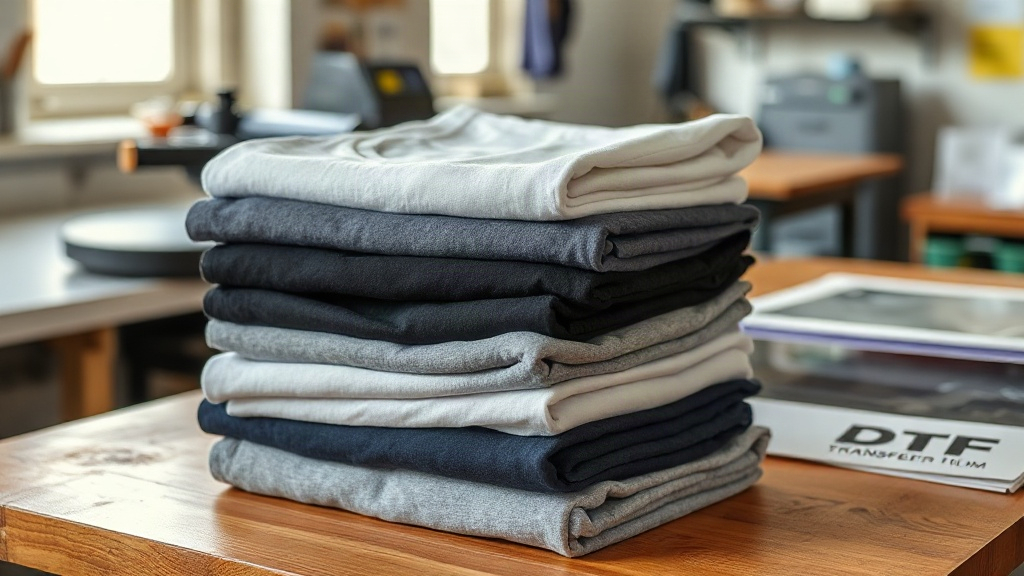
When you pull a freshly printed shirt off the heat press, the first thing you notice is the weight of the fabric. A heavyweight cotton tee holds its shape, drapes nicely, and gives your design a premium canvas. That is exactly what you get with Shaka Wear blanks. If you are into DTF printing, you already know that the blank you choose can make or break the final product. In this article, we will explore why Shaka Wear has become a go-to choice for DTF printers and how you can get the best results with these garments.
Why Shaka Wear Blanks Are a Game-Changer for DTF Printing
DTF printing, or direct-to-film, has exploded in popularity because it allows for full-color, high-detail transfers on a wide range of fabrics. But not all blanks are created equal. Shaka Wear is known for its heavyweight cotton tees, often in the 6.0 to 7.5 oz range. That heft provides a smooth, stable surface that DTF transfers love. The dense weave means less texture interference, so your prints come out crisp and vibrant.
Another advantage is the color range. Shaka Wear offers a variety of shades, from classic white and black to heather greys and earth tones. This variety lets you match your transfer to the garment for a cohesive look. Plus, the cotton content ensures that the adhesive powder from the DTF film bonds well, resulting in a durable print that survives wash after wash.
Choosing the Right Shaka Wear Style for Your Project
Not all Shaka Wear tees are the same. They come in different fits and weights, so picking the right one depends on your target audience and design. Here is a quick breakdown of popular options:
- Shaka Wear SHASS: A classic heavyweight tee, 6.0 oz, 100% cotton. Great for everyday wear and bold prints.
- Shaka Wear SHMH: A heavier option at 7.5 oz, perfect for premium merch and streetwear.
- Shaka Wear SHSS: A softer, ringspun cotton tee that still holds up well for DTF.
Consider the design complexity. If you have fine lines or gradients, a smoother, tighter knit like the SHSS can help. For large block colors, the heavier SHMH provides a sturdy base that resists stretching.
Fabric Weight and DTF Adhesion
Heavier fabrics generally require a bit more pressure and slightly longer pressing time to ensure the DTF adhesive penetrates the fibers. With Shaka Wear heavyweight tees, we recommend pre-pressing the garment for 5-7 seconds to remove moisture and wrinkles. Then press the transfer at 325°F for 15-20 seconds with medium-heavy pressure. This ensures the adhesive melts into the cotton, creating a strong bond.
Step-by-Step DTF Printing on Shaka Wear
Ready to print? Follow these steps to get professional results every time.
- Pre-treat the garment: Even though DTF doesn't require a pretreatment liquid like DTG, pre-pressing is crucial. It removes wrinkles and moisture that can cause poor adhesion.
- Position the transfer: Place your DTF transfer where you want it. Use heat tape to secure it if needed.
- Press: Set your heat press to 325°F (160°C) with medium-heavy pressure. Press for 15-20 seconds.
- Peel: Wait a few seconds for the transfer to cool slightly, then peel the film off in a smooth, even motion. For a matte finish, you can do a second press with a Teflon sheet for 5-10 seconds.
- Quality check: Inspect the print for any lifting edges. If you find any, re-press for a few more seconds.
Remember, every heat press is different, so always do a test print on a scrap piece of fabric or an old shirt to dial in your settings.
Common Pitfalls and How to Avoid Them
Even with great blanks like Shaka Wear, issues can arise. Here are some common problems and their solutions:
- Print cracking: Usually caused by insufficient pressure or time. Increase pressure and ensure even coverage.
- Adhesion failure: If the transfer peels off after washing, you might not have pressed long enough or the fabric had too much moisture. Pre-press longer.
- Color fading: Use high-quality DTF film and ink. Also, washing inside out in cold water helps preserve the print.
Care Instructions for DTF-Printed Shaka Wear
To keep your DTF prints looking fresh, share these care tips with your customers:
- Wait 24 hours before first wash.
- Turn the garment inside out.
- Machine wash cold with mild detergent.
- Tumble dry low or hang dry.
- Do not iron directly on the print.
- Avoid bleach and fabric softeners.
Following these guidelines will extend the life of the print and keep your customers happy.
Frequently Asked Questions
Can I use DTF printing on Shaka Wear's 50/50 blends?
Yes, DTF printing works on cotton-poly blends, but the print may appear slightly less vibrant on darker poly content. For best results on blends, use a DTF transfer designed for poly or adjust your pressing settings. Shaka Wear offers some 50/50 options, but their 100% cotton tees are ideal for DTF.
What is the best Shaka Wear style for oversized prints?
For large, bold designs, go with the heavier Shaka Wear SHMH (7.5 oz). Its sturdy fabric can support big prints without sagging. The smooth surface also helps the transfer adhere evenly.
How do I prevent the DTF transfer from feeling stiff on Shaka Wear?
Stiffness often comes from too much adhesive or over-pressing. Use a quality DTF film with a thin adhesive layer, and avoid excessive pressure. Also, a quick second press with a Teflon sheet can soften the print. Shaka Wear tees, especially the ringspun ones, tend to have a softer hand feel, which helps.
Do I need a special heat press for DTF on Shaka Wear?
No, a standard heat press works fine. Just ensure it can reach 325°F and provide consistent pressure. A clamshell or swing-away press both work; the key is even pressure across the platen.
Where can I buy Shaka Wear blanks for my DTF business?
You can find Shaka Wear blanks at many wholesale distributors and online retailers. Check with your local supplier or search for authorized dealers. Buying in bulk often gives you better pricing, which is great for production runs.
With the right techniques and Shaka Wear blanks, your DTF prints will stand out for their quality and durability. Experiment with different styles and settings to find what works best for your shop. Happy printing!