If you've been in the custom apparel game for any length of time, you've likely heard the buzz around DTF printing. It's not just another trend; it's a game-changer that's allowing small shops and large manufacturers alike to produce stunning, full-color designs on a wide range of fabrics. But what exactly is DTF, and why should you consider it for your next project? Let's dive deep into the world of DTF printing and uncover why it might be the perfect fit for your custom apparel needs.
What is DTF Printing?
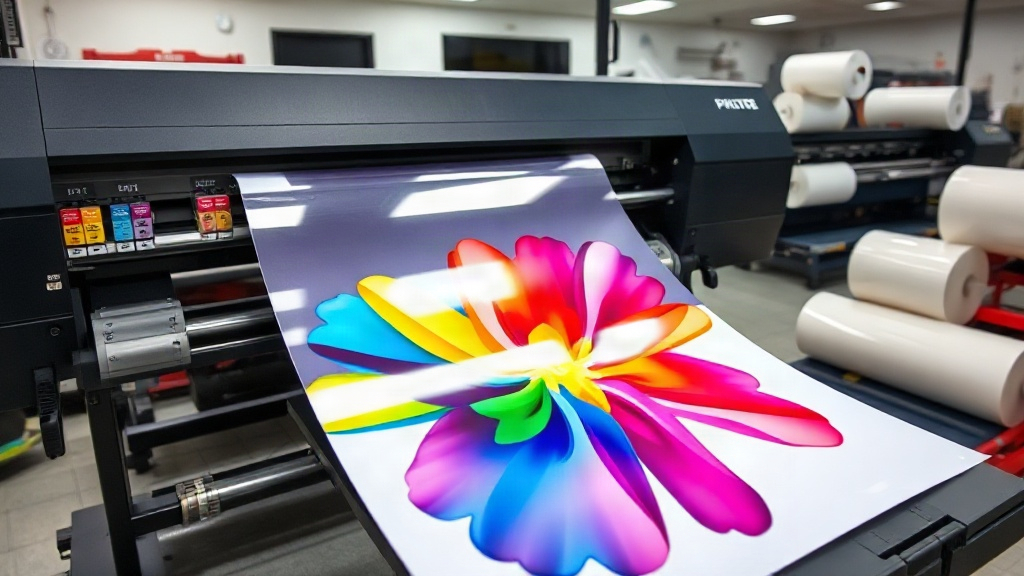
DTF stands for Direct to Film. It's a printing method where your design is printed onto a special PET film using water-based inks, then coated with a hot-melt adhesive powder. This film is then heat-pressed onto the fabric, transferring the design permanently. Unlike DTG (Direct to Garment) printing, which prints directly onto the fabric, DTF uses a two-step process that offers unique advantages.
How Does DTF Printing Work?
The DTF process can be broken down into four main steps:
- Design Preparation: Your artwork is prepared digitally, ensuring it's mirrored and sized correctly. The printer then prints the design onto the film using CMYK and white inks.
- Powder Application: While the ink is still wet, a hot-melt adhesive powder is applied evenly over the print. Excess powder is shaken off.
- Curing: The film with the powder is heated to melt the adhesive, usually around 160°C for a couple of minutes. This creates a dry, tack-free surface.
- Heat Press Transfer: The film is placed onto the garment and heat-pressed at a specific temperature and pressure for a set time (e.g., 160°C for 15 seconds). After pressing, the film is peeled off (hot or cold peel depending on the film), leaving the vibrant design bonded to the fabric.
Why Choose DTF for Custom Apparel?
DTF printing has rapidly gained popularity because it solves many pain points of other printing methods. Here are some compelling reasons to consider DTF:
- Works on Almost Any Fabric: From cotton and polyester to blends, leather, and even nylon, DTF adheres well to a wide range of materials. This versatility means you can offer custom designs on diverse garments without switching techniques.
- No Pretreatment Required: Unlike DTG, DTF doesn't require pre-treating the garment, saving time and eliminating the risk of uneven application.
- Vibrant, Detailed Prints: DTF can produce incredibly detailed, full-color images with fine lines and gradients. The white ink layer ensures colors pop on both light and dark fabrics.
- Durability: When applied correctly, DTF prints are stretchable, crack-resistant, and can withstand dozens of washes without fading.
- Cost-Effective for Small Runs: Unlike screen printing, which requires separate screens for each color, DTF has no setup costs per color, making it ideal for small batches and personalized items.
DTF vs. Other Printing Methods
How does DTF stack up against DTG, screen printing, and vinyl? Let's compare:
- DTF vs. DTG: DTG prints directly onto the garment, which can be limiting on dark colors and requires pretreatment. DTF offers better color vibrancy on darks and works on more fabrics. However, DTG can be more cost-effective for large runs on 100% cotton.
- DTF vs. Screen Printing: Screen printing is king for large orders of simple designs, offering the lowest cost per piece. But it's impractical for complex, multi-color designs or small batches. DTF excels in those areas.
- DTF vs. Vinyl: Heat transfer vinyl (HTV) is great for simple one-color designs and names/numbers. But it can't handle intricate details or gradients. DTF handles full-color complexity with ease.
Getting Started with DTF Printing
Ready to add DTF to your production lineup? Here's what you'll need:
- DTF Printer: A dedicated DTF printer (often modified Epson or Ricoh models) with DTF inks.
- PET Film: Special film designed for DTF, available in rolls or sheets.
- Hot-Melt Powder: The adhesive that bonds the ink to the fabric.
- Curing Oven or Heat Press: To melt the powder.
- Heat Press: For transferring the design to the garment.
- Software: RIP software to manage color and print settings.
While the initial investment can be significant, the versatility and quality of DTF can quickly pay off if you offer custom apparel.
Tips for Perfect DTF Transfers
To ensure your DTF prints look professional and last, follow these tips:
- Use Quality Supplies: Not all films and powders are created equal. Invest in reputable brands for consistent results.
- Control Humidity: Excess moisture can affect powder adhesion. Keep your workspace dry.
- Test Your Press: Every heat press is different. Find the ideal temperature, pressure, and time for your setup.
- Proper Storage: Store unused film in a cool, dry place to prevent curling.
- Follow Wash Instructions: Advise customers to wash garments inside out in cold water and avoid fabric softeners to prolong print life.
Frequently Asked Questions About DTF Printing
Is DTF printing durable?
Yes, when applied correctly, DTF prints are highly durable. They can stretch with the fabric and withstand repeated washing without cracking or fading, often lasting as long as the garment itself.
Can I use DTF on 100% cotton?
Absolutely. DTF works well on 100% cotton, as well as polyester, blends, and many other materials. It's one of the most versatile printing methods available.
Do I need special ink for DTF printing?
Yes, DTF requires water-based DTF inks, typically CMYK plus white. These inks are formulated to work with the hot-melt powder and PET film.
How long does a DTF transfer last?
The lifespan depends on wear and care. With proper washing and handling, DTF prints can last for years, often outlasting the garment.
Is DTF printing cost-effective for small businesses?
Yes, especially for small to medium runs. There are no minimum order quantities, and you can print one-offs without setup costs, making it ideal for personalized items and on-demand production.
Conclusion
DTF printing is revolutionizing the custom apparel industry with its versatility, vibrant results, and cost-effectiveness for small batches. Whether you're a seasoned printer or just starting out, DTF offers a powerful way to bring your designs to life on almost any fabric. By understanding the process and following best practices, you can deliver high-quality, durable prints that impress your customers. So why not give DTF a try? Your custom apparel business might just find its new secret weapon.