
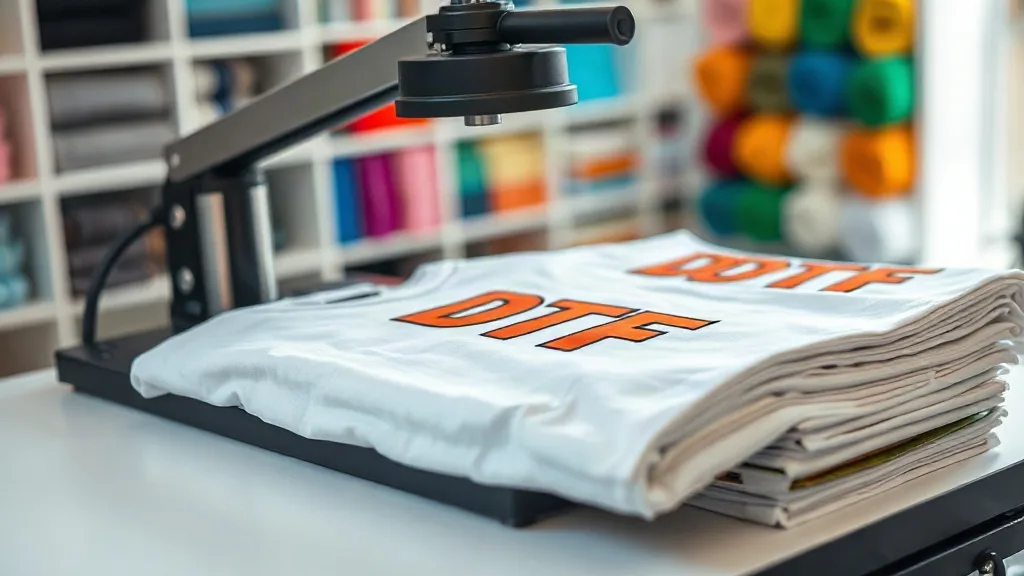
DTF transfers have revolutionized the world of custom apparel, offering a versatile and cost-effective way to add vibrant designs to almost any fabric. Whether you're a hobbyist looking to personalize gifts or a small business owner aiming to expand your product line, understanding the ins and outs of DTF printing can set you apart. In this guide, we'll walk you through the entire process, from design to finished product, and share expert tips to help you achieve professional results every time.
What Are DTF Transfers?
DTF stands for Direct to Film, a printing technology where designs are printed onto a special film and then transferred to fabric using heat and pressure. Unlike DTG (Direct to Garment) printing, which requires pretreatment and works best on cotton, DTF transfers can be applied to a wide range of materials, including polyester, blends, and even dark colors. The process involves printing a mirror image of your design onto a PET film using specialized DTF inks, applying a hot-melt adhesive powder, and then pressing the film onto the garment. The result is a soft, stretchable, and durable print that withstands repeated washing.
The DTF Transfer Process Step by Step
Getting started with dtf transfers is straightforward if you follow the right steps. Here's a breakdown of the workflow:
1. Design Preparation
Begin with a high-resolution image (300 DPI is recommended) in PNG or TIFF format with a transparent background. Mirror the design horizontally before printing, as the film will be flipped during transfer. Ensure that your design fits within the printable area of your DTF printer and that colors are vibrant to compensate for any slight dulling during the transfer process.
2. Printing
Load the DTF film into your printer, ensuring the coated side faces the printhead. Use DTF-specific inks, which are formulated to adhere to the film and later to the fabric. Print the design, and if your printer doesn't have a white ink option, you'll need to print a white underbase layer to ensure opacity on dark garments. Many modern DTF printers handle this automatically.
3. Powder Application
While the ink is still wet, sprinkle the hot-melt adhesive powder evenly over the printed design. Shake off excess powder and return it to the container for reuse. Then, cure the powder using a heat press or a dedicated powder curing oven. The powder melts and creates a bond that will later fuse with the fabric.
4. Curing
Curing conditions vary by powder type, but generally, you'll heat the film at around 160°C (320°F) for 2-3 minutes. Overcuring can cause the powder to become brittle, while undercuring may lead to poor adhesion. Always follow the manufacturer's recommendations for your specific supplies.
5. Transferring to Fabric
Preheat your heat press to the temperature recommended for your fabric (typically 150-160°C or 300-320°F). Place the garment on the press, position the transfer film with the design facing up, and cover with a protective sheet. Press with medium pressure for 10-15 seconds. Allow the film to cool completely before peeling; for a matte finish, peel cold, and for a glossy finish, peel hot. Always test on a scrap piece first to dial in your settings.
Why Choose DTF Transfers?
DTF transfers offer several advantages that make them a popular choice among crafters and businesses alike:
- Versatility: Works on cotton, polyester, blends, and even hard-to-print fabrics like canvas and denim.
- No pretreatment: Saves time and reduces chemical use compared to DTG.
- Vibrant colors: Produces bright, detailed prints with excellent wash durability.
- Cost-effective for small batches: Ideal for one-off designs or small runs without the setup costs of screen printing.
- Soft hand feel: The prints are flexible and comfortable to wear.
Choosing the Right DTF Supplies
The quality of your DTF transfers depends heavily on the supplies you use. Here's what to look for:
DTF Film
Select a film that is compatible with your printer and offers good ink absorption. Matte films are common, but some prefer glossy for specific effects. Ensure the film is coated evenly to prevent ink pooling.
DTF Inks
Use high-quality DTF inks that are designed for your printer model. Cheap inks can clog printheads and produce faded or inconsistent results. Look for inks with good color vibrancy and wash fastness.
Adhesive Powder
There are two main types: fine powder for detailed designs and coarse powder for bolder prints. Fine powder is generally more versatile. Choose a powder with a low melting point for easier curing.
Heat Press
A reliable heat press with accurate temperature and pressure control is essential. For DTF, a press with a large platen and even heating is ideal. Consider a press with a digital display for precision.
Common DTF Transfer Mistakes and How to Avoid Them
Even experienced users can run into issues. Here are some common pitfalls and solutions:
- Insufficient pressure: Leads to poor adhesion. Increase pressure and ensure the press is properly calibrated.
- Wrong temperature: Too hot can scorch the fabric; too cold results in peeling. Always preheat and test.
- Peeling too soon: Wait for the film to cool completely before peeling for best results.
- Powder not cured properly: Follow curing guidelines and use a infrared thermometer to verify.
- Film wrinkles: Store film flat and handle carefully to avoid creases that transfer to the print.
Applications of DTF Transfers
From custom t-shirts and hoodies to tote bags and home textiles, dtf transfers open up a world of creative possibilities. Small businesses use them for on-demand printing, while crafters enjoy making personalized gifts. The technology is also popular for team uniforms, promotional merchandise, and fashion prototyping.
Finding DTF Transfers Near You
If you're looking to try DTF transfers without investing in equipment, you can find local services that offer printing and application. Searching for dtf transfers near me can connect you with shops that provide small-batch printing, often with quick turnaround. Alternatively, online retailers like DTF Pro Fast supply high-quality transfers and supplies shipped to your door.
Frequently Asked Questions
How durable are DTF transfers?
When applied correctly, DTF transfers can withstand 50+ washes without significant fading or cracking. Proper curing and following wash instructions (inside out, cold water) will maximize longevity.
Can I use DTF transfers on dark fabrics?
Absolutely. DTF transfers include a white ink layer that provides a bright base, making them ideal for dark and colored garments. Just ensure your design includes white where needed.
What fabrics work best with DTF?
DTF works on almost any fabric, but it adheres best to cotton, polyester, and blends. For nylon or fabrics with special coatings, test a small area first.
Do I need a special printer for DTF?
Yes, a DTF printer uses specialized inks and films. However, you can also purchase pre-printed transfers from suppliers and apply them with a standard heat press.
How do I store DTF transfers?
Store unused transfers in a cool, dry place away from direct sunlight. Keep them flat to prevent creases. Properly stored transfers can last up to a year.