If you've been exploring custom apparel printing, you've likely encountered dtf transfers. This innovative technology is transforming how designers, small business owners, and hobbyists create vibrant, durable prints on fabric. Unlike traditional methods that require specialized equipment or restrict you to certain materials, DTF (Direct to Film) opens up a world of possibilities. In this guide, we'll walk you through the essentials of DTF printing, from the basic process to practical tips for achieving professional results.
What Are DTF Transfers?
DTF stands for Direct to Film. It's a printing method where your design is printed onto a special film, coated with adhesive powder, and then heat-pressed onto fabric. The result is a full-color, flexible, and wash-resistant print that adheres to a wide range of materials, including cotton, polyester, blends, and even some non-wovens. Unlike DTG (Direct to Garment) or screen printing, DTF doesn't require pre-treatment of the fabric or specialized inks for different materials. This versatility makes dtf a go-to choice for small batches, complex designs, and hard-to-print fabrics.
How DTF Transfers Work: Step by Step
Understanding the process helps you appreciate the science behind the vibrant results. Here's a breakdown of the key steps:
- Design Preparation: Your artwork is prepared digitally, ensuring it's mirrored and properly sized. DTF printers use CMYK plus white ink, so you can print on both light and dark garments without worrying about color vibrancy.
- Printing: The design is printed onto a PET film. The printer lays down a layer of white ink first (for opacity), followed by the color layers.
- Powder Application: While the ink is still wet, a hot-melt adhesive powder is applied evenly over the film. Excess powder is shaken off, leaving a thin layer that will bond with the fabric.
- Curing: The film is heated to melt the powder, creating a smooth, dry adhesive layer. This step is crucial for durability.
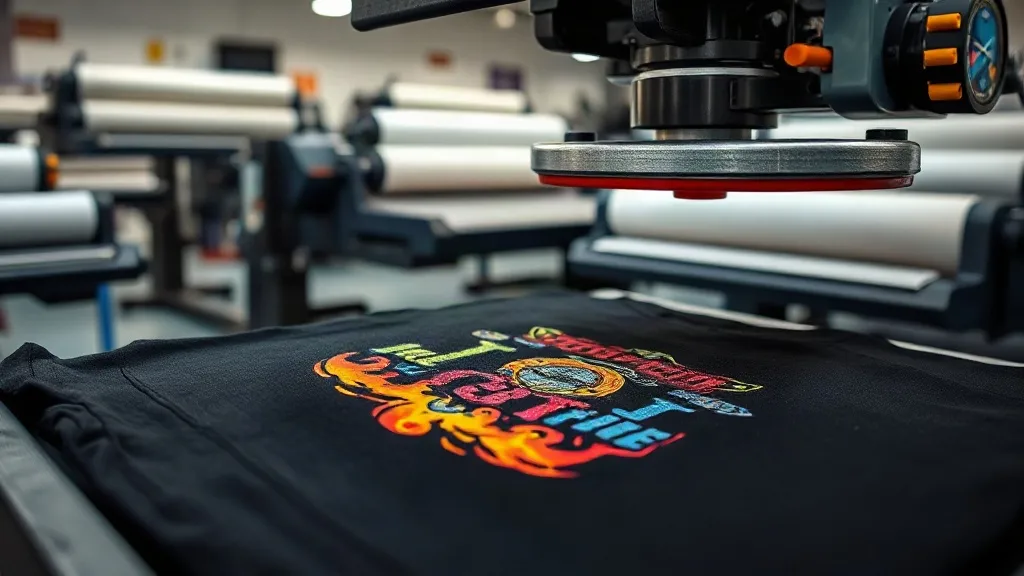
- Heat Pressing: The cured film is placed on the fabric and pressed with a heat press at a specific temperature and pressure. The adhesive melts into the fabric fibers, and the film is peeled away (hot or cold peel, depending on the film type), leaving the design behind.
Each step requires attention to detail, but once mastered, the process becomes second nature.
Why Choose DTF Transfers?
There are several compelling reasons to consider DTF for your next project:
- Material Versatility: Works on cotton, polyester, blends, denim, canvas, and more. No need for different inks or pre-treatment.
- Color Vibrancy: The white ink base ensures colors pop on dark fabrics, and the range of colors is virtually unlimited.
- Durability: When applied correctly, DTF prints withstand repeated washing without cracking, fading, or peeling.
- Cost-Effective for Small Runs: No minimum order quantities, making it ideal for one-offs or small businesses.
- Soft Hand Feel: Modern DTF films and powders produce a flexible, soft print that doesn't feel rubbery.
These advantages have made DTF a favorite among crafters and professionals alike.
Getting Started: Tips for Beginners
If you're new to DTF, here are some practical tips to help you avoid common pitfalls:
1. Invest in Quality Supplies
Not all DTF films and powders are created equal. Cheaper films may cause ink bleeding or poor adhesion. Look for reputable suppliers and don't hesitate to ask for samples. The quality of your powder also matters; fine, consistent powder leads to better curing and a softer finish.
2. Master Your Heat Press Settings
Temperature, pressure, and time are critical. Too little heat or pressure results in poor adhesion; too much can scorch the fabric or cause the design to spread. Start with the recommended settings from your film supplier and adjust based on your press and fabric. A infrared thermometer can help you verify the actual platen temperature.
3. Handle Films Carefully
Printed films are delicate before curing. Avoid touching the printed area, and store them in a dust-free environment. Once cured, they can be stored for weeks if kept dry and away from direct sunlight.
4. Practice Peeling Technique
Whether you need to peel hot or cold depends on the film. Always follow the manufacturer's instructions. Peeling too early or too late can ruin the transfer. Practice on scrap fabric until you get a feel for it.
5. Test Wash Durability
Before selling or gifting, wash a sample garment a few times to ensure the transfer holds up. This simple test can save you from customer complaints later.
Finding DTF Transfers Near You
If you're not ready to invest in a printer and supplies, you can still enjoy the benefits of DTF by ordering pre-printed transfers. Many companies offer custom transfer services where you upload your design and receive ready-to-press films. When searching for dtf transfers near me, consider factors like turnaround time, shipping costs, and minimum order requirements. Local suppliers can be a great option for quick turnarounds, but online services often provide competitive pricing and a wider range of film options.
Common Applications of DTF Transfers
DTF isn't just for t-shirts. Its versatility makes it suitable for:
- Custom Apparel: T-shirts, hoodies, jeans, jackets, and more.
- Accessories: Tote bags, hats, socks, and even shoes.
- Home Decor: Cushion covers, aprons, and fabric banners.
- Promotional Items: Branded merchandise for events or giveaways.
The possibilities are limited only by your imagination.
DTF vs. Other Printing Methods
How does DTF stack up against other popular techniques?
- DTF vs. DTG: DTG requires pre-treatment and works best on 100% cotton. DTF works on more materials and often has lower setup costs for small runs.
- DTF vs. Screen Printing: Screen printing is cost-effective for large orders but requires separate screens per color and is impractical for complex designs. DTF excels at detailed, multi-color designs with no minimums.
- DTF vs. Vinyl: Vinyl is limited to simple shapes and solid colors. DTF can reproduce photographs and gradients with ease.
Each method has its place, but DTF offers a unique blend of flexibility and quality.
Frequently Asked Questions
What fabrics can I use with DTF transfers?
DTF works on almost any fabric, including cotton, polyester, blends, denim, canvas, and even some non-wovens. It's not recommended for fabrics with a heavy coating or waterproof finish, as the adhesive may not bond properly.
How long do DTF transfers last?
With proper application and care, DTF prints can last as long as the garment itself. Wash inside out in cold water and avoid harsh chemicals or high heat in the dryer.
Can I stretch DTF prints?
Yes, DTF prints are flexible and will stretch with the fabric without cracking, thanks to the elastic nature of the adhesive and film.
Do I need a special printer for DTF?
You need a DTF printer that uses DTF inks and can print white ink. Some modified inkjet printers can be used, but dedicated DTF printers are recommended for consistent results.
Where can I buy DTF transfers?
Many online services and local print shops offer custom DTF transfers. You can upload your design and choose your film type and size. For bulk orders, consider investing in your own DTF printer setup.
Final Thoughts
DTF transfers have democratized custom apparel printing, making it accessible to everyone from hobbyists to large-scale producers. With its versatility, durability, and vibrant results, it's no wonder DTF is gaining popularity. Whether you're just starting or looking to expand your offerings, mastering DTF can open up new creative and business opportunities. Remember to source quality supplies, dial in your heat press settings, and practice until you achieve consistent results. Happy printing!