
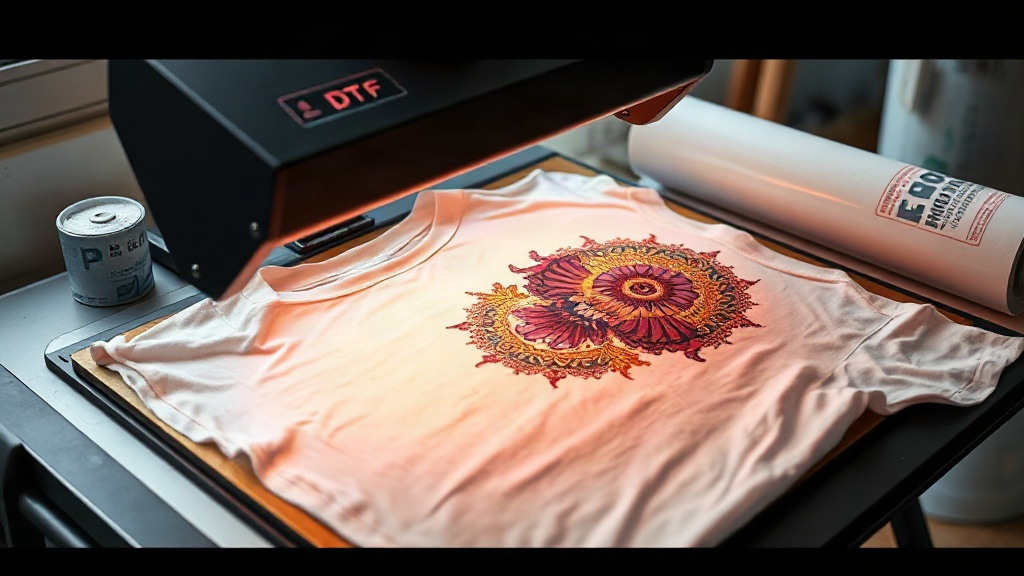
If you've been exploring custom apparel printing, you've likely encountered DTF printing. Short for Direct-to-Film, this method has quickly become a favorite among print shops and DIY enthusiasts for its versatility and vibrant results. Unlike traditional techniques that require special pretreatment or specific fabrics, DTF printing works on almost any material, from cotton and polyester to blends and even leather. In this guide, we'll walk you through everything you need to know about DTF printing, from the basics to pro tips, so you can decide if it's right for your next project.
What is DTF Printing?
DTF printing is a digital printing process where your design is printed onto a special film, coated with a adhesive powder, and then heat-pressed onto the fabric. The magic happens in the transfer: the ink and adhesive bond to the fabric fibers, creating a durable, stretchable print that feels soft to the touch. Because the design is printed on film first, you can apply it to a wide range of materials without worrying about color limitations or fabric compatibility.
How DTF Printing Works: Step by Step
Understanding the workflow helps you appreciate why DTF printing is so effective. Here's a breakdown of the process:
- Design Preparation: Your artwork is prepared in a graphics program, ensuring it's mirrored and sized correctly. The design is then printed onto a PET film using specialized DTF inks.
- Powder Application: While the ink is still wet, a thermoplastic powder is applied evenly over the print. The excess powder is shaken off, leaving a thin layer adhering to the ink.
- Curing: The film goes through a curing oven or heat press to melt the powder, creating a adhesive layer that will bond to the fabric.
- Transfer: The cured film is placed onto the garment and heat-pressed. The adhesive melts, fusing the design to the fabric. After cooling, the film is peeled away, leaving the vibrant print behind.
Each step is crucial, but the powder and curing stages are what give DTF prints their exceptional durability and stretchability.
Why Choose DTF Printing for Your Projects?
There are plenty of printing methods out there, but DTF stands out for several reasons. Let's explore the key benefits that make it a go-to choice for many.
Unmatched Versatility
One of the biggest advantages of DTF printing is its ability to work on virtually any fabric. Whether you're printing on 100% cotton t-shirts, polyester jerseys, or even canvas bags, DTF delivers consistent results. This versatility means you don't need to stock multiple types of transfer papers or adjust your process for different materials. It's a one-size-fits-all solution that simplifies production.
Vibrant Colors and Fine Details
DTF printing excels at reproducing intricate designs with high color accuracy. Because it uses CMYK plus white ink, it can print full-color images, gradients, and fine lines without the need for color separation. The white ink acts as a base, making colors pop even on dark garments. This level of detail is hard to achieve with other methods like screen printing, especially for small runs.
Durability and Stretchability
Have you ever had a print crack after a few washes? With DTF, that's rarely an issue. The adhesive powder creates a strong bond that moves with the fabric, so prints won't crack or peel even when stretched. This makes DTF ideal for activewear, performance fabrics, and items that undergo frequent washing. The prints remain vibrant and intact for years with proper care.
Cost-Effective for Small and Large Runs
Unlike screen printing, which requires separate screens for each color, DTF printing is digital. This eliminates setup costs, making it affordable for short runs and one-off designs. For larger orders, the per-unit cost remains competitive because you're not paying for screens or plates. Whether you need one custom shirt or a hundred, DTF is a economical choice.
DTF Printing vs. Other Methods
How does DTF stack up against other popular printing techniques? Let's compare.
DTF vs. DTG
Direct-to-Garment (DTG) printing is another digital method, but it requires pretreatment and works best on 100% cotton. DTF, on the other hand, needs no pretreatment and adheres to a wider range of fabrics. DTG prints can feel stiff on dark shirts due to the white ink layer, while DTF prints are softer and more flexible. For versatility and comfort, DTF often wins.
DTF vs. Screen Printing
Screen printing is cost-effective for large orders of simple designs, but it's not practical for complex, multi-color images or small batches. DTF shines in those areas, offering detailed prints without the setup hassle. However, for very large runs of a single design, screen printing can be cheaper per unit. It depends on your specific needs.
DTF vs. Vinyl
Heat transfer vinyl (HTV) is great for simple shapes and text, but it can't handle photographic images or gradients. DTF handles full-color designs with ease. Vinyl also requires weeding, which is time-consuming. DTF eliminates that step, saving you time and labor.
Getting Started with DTF Printing
Ready to dive into DTF printing? Here's what you'll need and some tips to ensure success.
Essential Equipment
- DTF Printer: A dedicated printer that uses DTF inks, typically with a white ink channel. Epson-based conversions are common.
- DTF Film: Special PET film designed to release the print cleanly.
- Adhesive Powder: Thermoplastic powder that bonds the ink to the fabric.
- Curing Oven or Heat Press: To melt the powder and later transfer the design.
- Heat Press: For the final application, with precise temperature and pressure control.
- RIP Software: To manage color profiles and print settings.
Investing in quality equipment pays off in consistent results. Start with a reliable printer and films from reputable suppliers.
Step-by-Step DTF Printing Process
- Create Your Design: Use graphic software to prepare your artwork. Remember to mirror the image horizontally.
- Print on Film: Load the DTF film into your printer and print the design using the correct settings.
- Apply Powder: While the ink is wet, sprinkle the adhesive powder over the print. Shake off excess.
- Cure the Powder: Place the film in a curing oven or under a heat press until the powder melts and becomes glossy.
- Transfer to Garment: Preheat your heat press to the recommended temperature (usually 300-325°F). Place the film on the garment and press for 10-15 seconds with medium pressure.
- Peel and Enjoy: After pressing, let it cool for a few seconds, then peel off the film. Your vibrant print is ready!
Practice on scrap fabric to dial in your settings. Temperature, pressure, and time can vary depending on your equipment and materials.
Common DTF Printing Challenges and Solutions
Even with the best equipment, you might run into issues. Here are some common problems and how to fix them.
Ink Not Adhering to Film
If the ink smears or doesn't stick to the film, check your printer settings. Ensure you're using the correct ink profile and that the film is loaded properly. Sometimes, humidity can affect adhesion; maintain a stable environment.
Powder Not Melting Evenly
Uneven melting can lead to poor transfer. Make sure you're applying an even layer of powder and curing at the right temperature. An oven with consistent heat distribution is key.
Print Cracking After Wash
If prints crack, it's often due to insufficient pressure or incorrect temperature during transfer. Increase pressure and ensure the heat press is at the recommended temperature. Also, wait for the print to cool completely before washing.
Tips for Perfect DTF Prints
Want to achieve professional-level results? Follow these tips.
- Use High-Quality Materials: Cheap film or powder can ruin your prints. Invest in reputable brands.
- Maintain Your Printer: Regular cleaning and maintenance prevent clogged nozzles and inconsistent prints.
- Test Before Production: Always do a test print on similar fabric to ensure settings are correct.
- Store Films Properly: Keep unused film in a cool, dry place to prevent moisture damage.
- Follow Care Instructions: Advise customers to wash garments inside out in cold water and avoid ironing directly on the print.
Frequently Asked Questions About DTF Printing
What fabrics can I use with DTF printing?
DTF printing works on a wide range of fabrics, including cotton, polyester, blends, leather, and even nylon. It's one of the most versatile methods available.
How long do DTF prints last?
With proper care, DTF prints can last as long as the garment itself. They resist cracking, peeling, and fading, even after multiple washes.
Do I need to pretreat garments for DTF?
No, one of the advantages of DTF is that it doesn't require pretreatment. Just ensure the garment is clean and free of wrinkles before pressing.
Can I use DTF on dark colors?
Absolutely. DTF uses white ink as a base, so colors remain vibrant on dark fabrics. The white layer ensures opacity and brightness.
What is the cost of starting DTF printing?
Initial costs include a printer, film, powder, and a heat press. While the upfront investment can be a few thousand dollars, the versatility and low per-unit cost make it worthwhile for many businesses.
DTF printing is a game-changer for custom apparel. Its ability to produce vibrant, durable prints on almost any fabric makes it a valuable addition to any print shop or hobbyist's toolkit. By understanding the process, investing in quality supplies, and following best practices, you can create stunning garments that impress your customers. Give DTF a try and see the difference for yourself.