If you've been exploring custom apparel decoration, you've likely encountered DTF printing. Short for Direct-to-Film, this technology has rapidly become a favorite among print shops and hobbyists alike. Unlike traditional methods that require specific fabrics or extensive setup, DTF printing offers unmatched versatility and vibrant results. In this guide, we'll dive deep into the world of DTF printing, covering everything from the basic process to advanced tips for achieving professional-grade transfers. Whether you're a seasoned pro or just starting out, understanding DTF printing can elevate your projects and open up new creative possibilities.
What is DTF Printing?
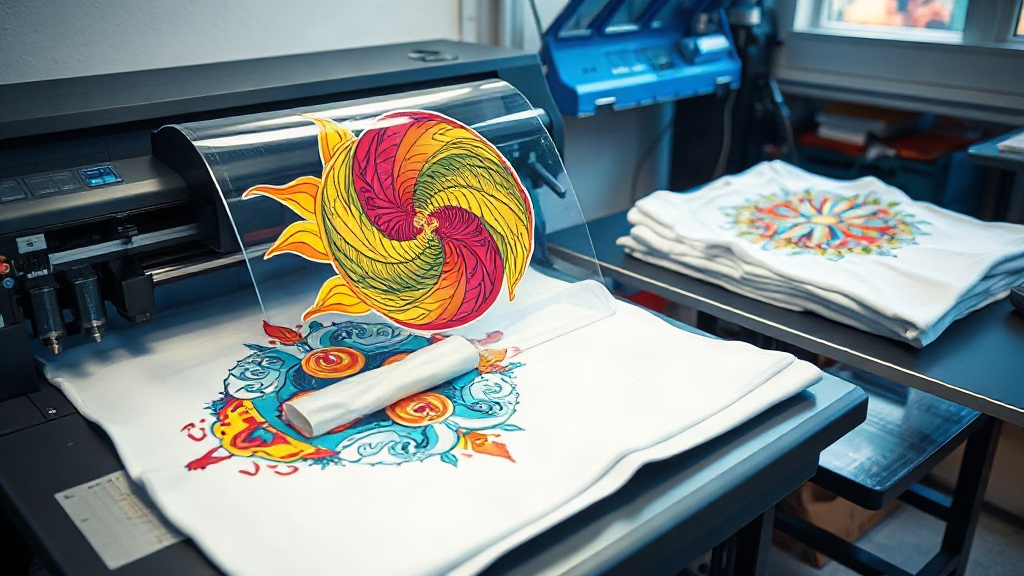
DTF printing is a digital printing technique where designs are printed onto a special film, coated with adhesive powder, and then heat-pressed onto fabric. The process begins with a digital printer that uses CMYK plus white ink to create the image on a PET film. After printing, a powdered hot-melt adhesive is applied to the wet ink, and the film is cured. The resulting transfer can be stored and later applied to garments using a heat press. This method differs from DTG (Direct-to-Garment) because it doesn't require pre-treatment and works on a wide range of materials, including cotton, polyester, blends, and even leather.
The Step-by-Step DTF Process
To give you a clear picture, here's a breakdown of the DTF printing workflow:
- Design Preparation: Create or adjust your artwork in a graphics program. Ensure it's mirrored if necessary (though most DTF printers handle this automatically).
- Printing: Load the PET film into the DTF printer. The printer lays down CMYK inks followed by a white ink layer. This white layer is crucial for opacity on dark fabrics.
- Powdering: While the ink is still wet, apply the hot-melt adhesive powder evenly over the printed area. Shake off excess powder.
- Curing: Place the film in a curing oven or under a heat source to melt the powder. This creates a flexible, durable adhesive layer.
- Transfer: Once cured, the film can be pressed onto the fabric using a heat press at specific temperature, pressure, and time settings. After pressing, peel the film off (hot or cold peel depending on the adhesive).
Why Choose DTF Printing?
There are several compelling reasons why DTF printing has gained massive popularity:
- Fabric Versatility: Works on cotton, polyester, nylon, leather, and more. No need for different inks or pre-treatment.
- No Weeding: Unlike vinyl, there's no cutting or weeding required, saving time and labor.
- Vibrant Colors: The white ink base allows for bright, opaque prints on dark garments.
- Durability: When applied correctly, DTF transfers withstand repeated washing without cracking or fading.
- Cost-Effective for Small Runs: No minimum order quantities, making it ideal for custom pieces or small businesses.
DTF vs. Other Printing Methods
How does DTF stack up against DTG, screen printing, and vinyl? Let's compare:
- DTG: Best for 100% cotton, requires pre-treatment, and can be less durable on synthetic fabrics. DTF excels on blends and synthetics.
- Screen Printing: Cost-effective for large orders but involves setup costs and limited colors. DTF is better for detailed, multi-color designs without setup fees.
- Vinyl: Great for simple logos but limited in complexity. DTF handles intricate gradients and photographs with ease.
Materials and Equipment for DTF Printing
To get started with DTF printing, you'll need specific supplies:
- DTF Printer: A dedicated printer with white ink capability. Epson-based conversions are common.
- DTF Inks: Special pigment inks formulated for DTF, including CMYK and white.
- PET Film: Transparent film designed for DTF, usually 75-100 microns thick.
- Adhesive Powder: Hot-melt powder (TPU) that bonds the ink to fabric.
- Curing Oven: For melting the powder evenly.
- Heat Press: For applying the transfer to garments.
Quality supplies are critical. Cheap film or powder can lead to poor adhesion, dull colors, or premature fading. Investing in reputable brands will save you headaches in the long run.
Choosing the Right DTF Film and Powder
Not all films and powders are created equal. Here's what to look for:
- Film: Should be coated for optimal ink reception and release. Matte and glossy options exist; matte is often preferred for finer detail.
- Powder: TPU powder with a fine particle size (80-200 microns) ensures smooth adhesion. Coarse powder can feel gritty.
Tips for Perfect DTF Transfers
Even with the right equipment, technique matters. Follow these tips to achieve professional results:
- Maintain Your Printer: Regular cleaning and printhead maintenance prevent clogging, especially with white ink.
- Control Humidity: High humidity can affect powder application and curing. Aim for 40-60% relative humidity.
- Test Your Settings: Every heat press is different. Always do a test press to dial in temperature, pressure, and time.
- Use Quality Fabric: While DTF works on many materials, tightly woven fabrics yield the best results.
- Proper Storage: Store unused film and powder in a cool, dry place to prevent clumping or degradation.
Troubleshooting Common DTF Issues
Encountering problems? Here are quick fixes:
- Transfer Peeling: Increase pressure or temperature. Ensure powder is fully cured.
- Dull Colors: Check ink levels and printhead alignment. Use higher quality film.
- Cracking: Reduce pressure or stretch. Over-stretching the garment can cause cracks.
Applications of DTF Printing
DTF printing is not just for t-shirts. Its versatility extends to:
- Sportswear: Jerseys, leggings, and shorts benefit from DTF's flexibility and durability.
- Denim and Jeans: Add intricate designs without the stiffness of vinyl.
- Canvas Bags: Create custom totes with vibrant graphics.
- Leather Goods: Personalize jackets, shoes, and accessories.
- Home Decor: Pillows, curtains, and more.
Frequently Asked Questions
How long does DTF printing last?
With proper application and care, DTF prints can last 50+ washes without significant fading or cracking. Following wash instructions (inside out, cold water, no bleach) extends longevity.
Can I use DTF on 100% polyester?
Absolutely. DTF is excellent for polyester and blends because the adhesive bonds well with synthetic fibers, unlike DTG which may require pre-treatment.
What's the difference between DTF and DTG?
DTF involves printing on film and transferring, while DTG prints directly onto the garment. DTF works on more fabrics and doesn't need pre-treatment, but DTG can be more cost-effective for 100% cotton in large runs.
Do I need a special printer for DTF?
Yes, you need a printer capable of handling DTF inks, typically with a white ink channel. Many convert Epson printers for this purpose.
Is DTF printing cost-effective?
For small to medium runs, DTF is very cost-effective due to no setup fees and minimal waste. For large orders, screen printing might be cheaper per unit.
Final Thoughts
DTF printing has revolutionized custom apparel by combining versatility, durability, and vibrant color. Whether you're a small business owner or a DIY enthusiast, mastering DTF can set your creations apart. Remember to invest in quality supplies, follow best practices, and don't hesitate to experiment. With the right approach, you'll achieve professional results that impress your customers and keep them coming back.