
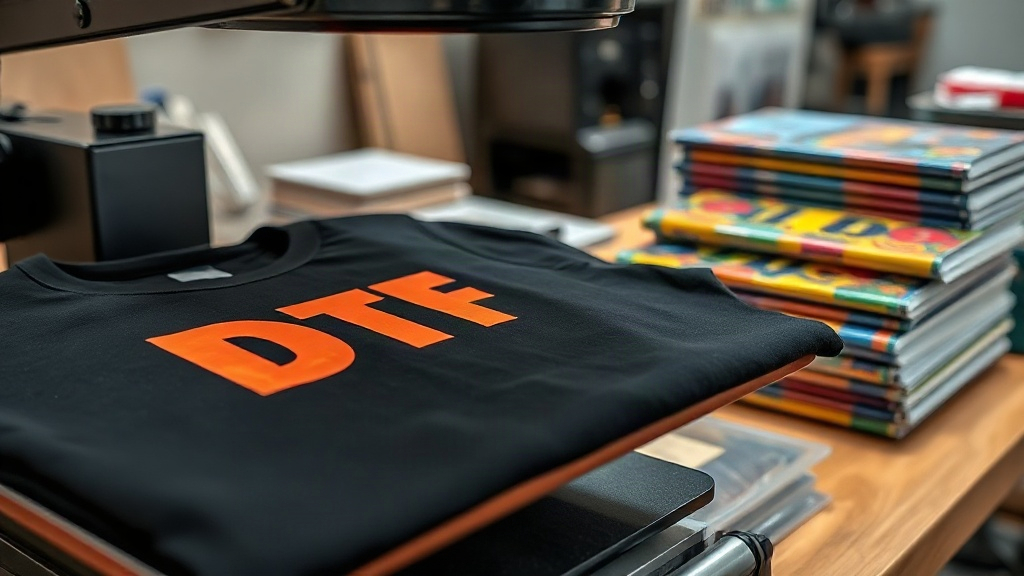
If you've been exploring custom apparel printing, you've likely encountered DTF Transfers. This innovative technology is rapidly gaining traction among hobbyists and professionals alike for its versatility and vibrant results. Unlike traditional methods, DTF transfers allow you to print full-color designs on a wide range of fabrics without the need for weeding or special pretreatment. In this guide, we'll walk you through everything you need to know to get started with DTF transfers and achieve flawless prints every time.
What Are DTF Transfers?
DTF Transfers (Direct-to-Film) is a printing technique where your design is printed onto a special film, coated with a heat-activated adhesive powder, and then transferred to fabric using a heat press. The process involves printing with pigment-based inks onto a PET film, applying the powder while the ink is still wet, and curing the powder to create a flexible, durable transfer. Once prepared, the transfer can be stored and used later, making it a convenient option for on-demand production.
Why Choose DTF Transfers?
There are several compelling reasons why DTF Transfers have become a go-to solution for apparel decorators:
- No Weeding Required: Unlike vinyl, DTF transfers don't require manual weeding, saving you time and labor.
- Full-Color Prints: You can print intricate, multi-color designs with gradients and fine details without worrying about color limitations.
- Fabric Versatility: DTF transfers work on cotton, polyester, blends, and even some synthetic fabrics. They're also suitable for dark and light garments.
- Durability: When applied correctly, DTF prints are stretchable, crack-resistant, and withstand repeated washing.
- Cost-Effective for Small Batches: No minimum order quantities and low setup costs make DTF ideal for small businesses and personalized items.
Understanding the DTF Transfer Process
To achieve professional results, it's essential to understand each step of the DTF process. Here's a breakdown:
1. Design Preparation
Start with a high-resolution image. DTF printing can handle complex designs, but ensure your file is in CMYK color mode and at least 300 DPI for optimal clarity. Remember that the design will be printed in reverse, so mirror it before printing.
2. Printing
Using a DTF printer, print your design onto the PET film. The printer lays down a layer of white ink as a base, followed by the color layers. This white base is crucial for opacity on dark fabrics.
3. Powder Application
While the ink is still wet, sprinkle the hot-melt adhesive powder evenly over the printed area. Shake off excess powder, then cure the film in an oven or with a heat gun until the powder melts and becomes glossy. This step is critical for the transfer's adhesion.
4. Transferring to Fabric
Set your heat press to the recommended temperature (usually 300-320°F) and pressure (medium to high). Place the transfer on the garment with the powder side down. Press for 10-15 seconds, then peel the film off while it's still warm (warm peel) or after it cools (cold peel), depending on the film type.
Step-by-Step Application Tips
To ensure your DTF Transfers adhere perfectly and last long, follow these best practices:
- Preheat the Garment: This removes moisture and wrinkles, ensuring a smooth surface.
- Position Precisely: Use a ruler or template to center your design.
- Apply Consistent Pressure: Adjust your heat press to the correct pressure; too little causes poor adhesion, too much can distort the design.
- Peel at the Right Time: Check your film's instructions for warm or cold peel. Peeling too early or too late can affect the finish.
- Post-Press for Durability: After peeling, press again for a few seconds with a cover sheet to enhance washability.
Common Mistakes to Avoid
Even experienced users can run into issues. Here are pitfalls to watch out for:
- Insufficient Powder: If you don't apply enough powder, the transfer won't adhere properly. Ensure even coverage.
- Overcooking the Powder: Curing too long can make the transfer stiff and prone to cracking.
- Wrong Temperature: Always follow the film manufacturer's recommendations; too hot or too cold leads to failure.
- Ignoring Fabric Type: While DTF is versatile, some fabrics like nylon or coated materials may require special low-temperature films.
DTF vs. Other Printing Methods
How does DTF stack up against DTG, screen printing, and vinyl? DTF offers a unique blend of benefits: it's more cost-effective than DTG for small runs, requires less setup than screen printing, and provides better detail and durability than vinyl. Plus, DTF transfers can be applied to a wider range of fabrics than DTG, which often requires 100% cotton.
Frequently Asked Questions
How do I store DTF transfers before use?
Store them in a cool, dry place away from direct sunlight. Keep them flat or rolled to prevent creasing. Properly stored transfers can last several months.
Can I use DTF transfers on 100% polyester?
Yes, DTF transfers work well on polyester and polyester blends. However, be mindful of the heat setting to avoid scorching or dye migration. Use a lower temperature and shorter press time for synthetics.
What is the best way to wash garments with DTF prints?
Turn the garment inside out and machine wash in cold water. Avoid using bleach or fabric softeners. Tumble dry on low or hang dry to prolong the life of the print.
Do I need a special printer for DTF transfers?
Yes, you need a DTF printer that uses pigment inks and supports white ink. Alternatively, you can outsource printing to a service that provides ready-to-press transfers.
How long do DTF transfers last?
With proper application and care, DTF transfers can last as long as the garment itself, often 50+ washes without significant fading or cracking.
With this knowledge, you're ready to dive into the world of DTF Transfers. Whether you're customizing t-shirts for your team or starting a print-on-demand business, DTF technology offers a reliable and versatile solution. Experiment, practice, and enjoy the vibrant results!