
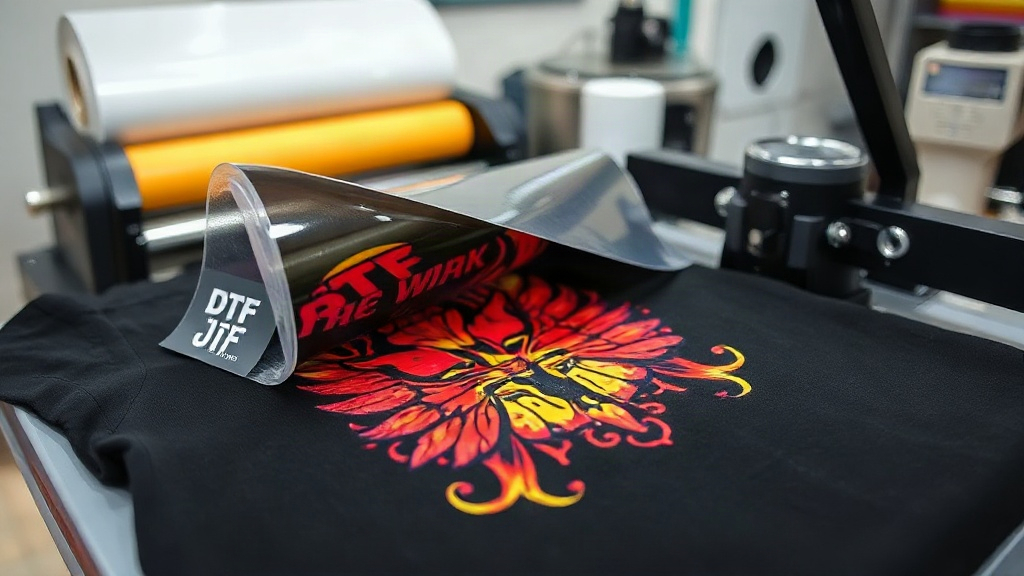
If you've been in the custom apparel game for any length of time, you've heard the buzz about DTF Transfers. Maybe you've seen the vibrant, stretchy prints on social media or wondered why so many shops are switching from vinyl and screen printing. The truth is, DTF (Direct to Film) technology has revolutionized how we decorate garments, offering unmatched versatility and durability. In this guide, we'll dive deep into what DTF transfers are, how they work, and how you can use them to take your projects to the next level.
What Are DTF Transfers?
DTF transfers are a type of heat-applied decoration where a design is printed onto a special film, coated with adhesive powder, and then transferred to a garment using a heat press. Unlike DTG (Direct to Garment) printing, which prints directly onto the fabric, DTF transfers allow you to print on a wide range of materials, including cotton, polyester, blends, and even treated nylon. The process involves printing a mirror-image design onto a PET film using specialized DTF inks, applying a thermoplastic powder to the wet ink, and then curing the powder. The result is a flexible, durable transfer that can be stored and applied on demand.
How DTF Transfers Differ from Other Methods
Compared to screen printing, DTF transfers eliminate the need for screens, making them cost-effective for short runs and complex designs. Unlike vinyl, DTF transfers can handle intricate details and full-color gradients without weeding. And unlike DTG, DTF transfers work on dark and light fabrics without pretreatment, and they produce a softer hand feel that lasts.
Why Choose DTF Transfers?
There are plenty of reasons why DTF transfers have become a go-to for apparel decorators. Here are the biggest advantages:
- Versatility: Apply to almost any fabric, including cotton, polyester, blends, and even leather.
- No color limitations: Print full-color, photorealistic designs with gradients and fine lines.
- Durability: DTF prints resist cracking, peeling, and fading, even after repeated washes.
- Cost-effective: No minimums, no screens, no setup fees. Perfect for small businesses and custom orders.
- Speed: Once you have a DTF printer, you can produce transfers in minutes and apply them in seconds.
The Cost Advantage
For small to medium-sized orders, DTF transfers are often more affordable than screen printing because you don't pay for screen setup. And since you can print transfers on demand, you avoid overstocking and waste. For large orders, DTF can still be competitive, especially when you factor in the ability to gang multiple designs on a single film.
How to Apply DTF Transfers: Step-by-Step
Applying DTF transfers is straightforward, but following the right steps ensures a professional finish. Here's what you need to do:
- Preheat your heat press. Set the temperature to 325°F (160°C) for cotton, or 300°F (150°C) for polyester. Preheat for 10-15 seconds to remove moisture.
- Position the transfer. Place the DTF transfer on the garment with the printed side up. If your transfer has a clear carrier film, the design should be facing you.
- Press. Apply medium to firm pressure for 15-20 seconds. Use a heat press, not an iron, for consistent results.
- Peel. Wait 5-10 seconds for the transfer to cool slightly, then peel the film off in a smooth, even motion. For a matte finish, peel while hot; for a glossy finish, peel while cold.
- Post-press. Cover the design with a Teflon sheet or parchment paper and press again for 5-10 seconds to enhance durability.
Tips for Perfect DTF Transfers
Even with the right steps, small details can make a big difference. Here are some pro tips:
- Always test your heat press temperature with a heat gun or temperature strips.
- Use a lint roller on the garment before applying the transfer to avoid lint under the print.
- For stretchy fabrics, pre-stretch the garment before pressing to prevent cracking.
- Store unused transfers in a cool, dry place away from direct sunlight.
Common Mistakes to Avoid
Newcomers to DTF transfers often run into a few pitfalls. Avoid these common mistakes:
- Insufficient pressure: This leads to poor adhesion and early peeling.
- Wrong temperature: Too hot and the film may curl; too cold and the powder won't melt properly.
- Peeling too soon or too late: Follow the recommended peel timing for your film type.
- Not pre-pressing: Moisture in the fabric can cause bubbles and poor adhesion.
DTF Transfers vs. Other Printing Methods
Let's break down how DTF stacks up against the competition:
| Method | Pros | Cons |
|---|---|---|
| DTF | Versatile, durable, no minimums, full-color | Requires printer and powder, slightly higher cost per print for large runs |
| Screen Printing | Cheap for large runs, vibrant | Setup costs, limited colors, not good for small runs |
| DTG | No setup, good for cotton | Limited to cotton, requires pretreatment, less durable |
| Vinyl | Cheap for simple designs | Weeding time, limited to solid colors, not good for complex designs |
Frequently Asked Questions
How long do DTF transfers last?
With proper application and care, DTF transfers can last 50+ washes without fading, cracking, or peeling. Always wash inside out in cold water and avoid bleach.
Can I use DTF transfers on polyester?
Yes, DTF transfers work great on polyester, but you should lower the temperature to around 300°F (150°C) to prevent dye migration. Use a lower pressure and shorter press time.
Do I need a special printer for DTF transfers?
Yes, you need a DTF printer that uses DTF inks and a powder shaker. However, you can also buy pre-made DTF transfers from suppliers if you don't want to invest in a printer.
What's the difference between DTF and DTG?
DTF transfers are printed on film and then applied with heat, while DTG prints directly onto the garment. DTF works on more fabrics and doesn't require pretreatment, but DTG can be more cost-effective for 100% cotton shirts.
How do I store DTF transfers?
Keep them in a cool, dry place, away from direct sunlight and moisture. Store them flat or rolled, not folded, to prevent creases.
Final Thoughts
DTF transfers are a game-changer for anyone in the custom apparel business. Whether you're a hobbyist or a pro, understanding how to use them effectively can open up new creative and business opportunities. With the right equipment and techniques, you can produce stunning, durable prints that your customers will love. So why not give DTF transfers a try? Your next project might just become your bestseller.