
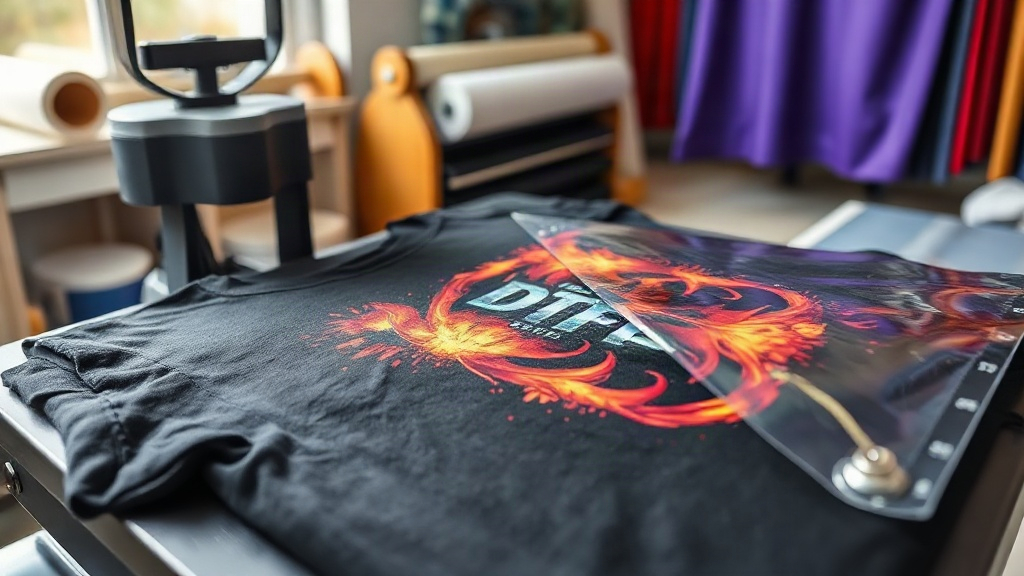
When you need vibrant, detailed prints on fabrics that traditional methods struggle with, DTF transfers offer a versatile solution. Whether you're a small business owner, a craft enthusiast, or someone exploring custom apparel, understanding DTF technology can save you time and money while delivering professional results. This guide covers everything from the basics to advanced application, helping you make informed decisions.
What Are DTF Transfers?
DTF stands for Direct-to-Film. It's a printing method where your design is printed onto a special PET film using water-based inks, then coated with a thermoplastic adhesive powder. Once the powder is cured, the transfer is ready to be heat-pressed onto fabric. Unlike DTG (Direct-to-Garment) or screen printing, DTF transfers can be applied to a wide range of materials, including cotton, polyester, blends, and even nylon. They also work well on dark and light garments without needing pre-treatment.
The process involves several steps: designing, printing, powdering, curing, and pressing. Each step affects the final quality, so attention to detail matters. For those outsourcing, choosing a reliable supplier ensures consistent results. If you're doing it in-house, investing in quality equipment and materials is key.
How DTF Transfers Differ from Other Methods
DTF transfers stand out for their ability to handle intricate details and gradients without color limitations. Screen printing requires separate screens for each color, making complex designs costly. DTG works best on 100% cotton and often needs pre-treatment. DTF, on the other hand, adheres to many fabrics and doesn't require weeding or masking. This flexibility makes it a favorite for small batches and personalized items.
Why Choose DTF Transfers for Your Projects?
There are several compelling reasons to consider DTF for your next project:
- Versatility: Works on cotton, polyester, blends, leather, and more.
- Durability: When applied correctly, prints resist cracking, peeling, and fading.
- Detail: Captures fine lines, small text, and photographic images with ease.
- No minimums: Ideal for one-off items or small runs.
- Cost-effective: No setup fees or screens; you pay per print.
These benefits make DTF a go-to for custom t-shirts, tote bags, hats, and promotional items. However, success depends on proper application and quality materials.
Common Applications for DTF Transfers
DTF transfers are used across industries. Apparel decorators use them for team uniforms, event merchandise, and fashion lines. Small businesses create branded merchandise like hoodies and caps. Crafters personalize gifts such as baby onesies and pet bandanas. Even industrial sectors use DTF for labeling and branding on specialized fabrics.
How to Apply DTF Transfers: Step-by-Step
Applying DTF transfers requires a heat press and a few best practices. Here's a reliable process:
- Preheat the garment: Remove moisture and wrinkles. Press for 3-5 seconds at 320°F (160°C).
- Position the transfer: Place the film with the design facing up on the garment.
- Press: Apply medium pressure for 10-15 seconds at 320°F (160°C).
- Peel: Wait for the transfer to cool completely (cold peel) before removing the film. Some films are hot-peel; check your supplier's instructions.
- Post-press: For added durability, press again for 5-10 seconds with a protective sheet.
Temperature, pressure, and time are critical. Too little heat or pressure causes poor adhesion; too much can scorch the fabric or distort the design. Always test on a scrap piece first.
Choosing the Right Heat Press Settings
Different fabrics and transfer films may require adjustments. For cotton, 320°F for 15 seconds works well. Polyester blends may need lower temperatures (300°F) to avoid dye migration. Nylon typically requires a lower temperature and a longer press. Consult the film manufacturer's guidelines for specific recommendations.
Ensuring Durability and Washability
One of the biggest concerns with any printed apparel is how it holds up after washing. DTF transfers, when applied correctly, can withstand dozens of washes without significant fading or cracking. To maximize longevity:
- Wash inside out in cold water.
- Avoid bleach and fabric softeners.
- Tumble dry low or hang dry.
- Iron on the reverse side, never directly on the print.
Following these care instructions helps your DTF prints stay vibrant for years.
Common Mistakes to Avoid
Even experienced users can slip up. Here are pitfalls to watch for:
- Insufficient pressure: leads to poor adhesion.
- Wrong temperature: too high scorches, too low fails to melt the powder.
- Peeling too soon or too late: follow cold/hot peel instructions.
- Using expired film or powder: always check dates.
- Not pre-pressing: moisture causes steam and weakens the bond.
Avoiding these mistakes ensures consistent, professional results.
DTF Transfers vs. Other Printing Methods: A Comparison
To help you decide, here's a quick comparison:
- DTF vs. DTG: DTF works on more fabrics, no pre-treatment, but requires film and powder. DTG is simpler for cotton but limited to light colors without pre-treatment.
- DTF vs. Screen Printing: Screen printing is cheaper for large runs but costly for multi-color designs. DTF excels at detailed, multi-color prints with no setup.
- DTF vs. Vinyl: Vinyl is limited to simple shapes and colors; DTF handles complex images and gradients.
Each method has its place, but DTF's versatility often gives it an edge for on-demand and custom work.
Cost Considerations
While DTF transfers have a higher per-print cost than screen printing at high volumes, they eliminate setup fees and minimums. For small businesses and individuals, this can mean significant savings. Additionally, the ability to print on demand reduces waste and inventory costs.
Frequently Asked Questions About DTF Transfers
How long do DTF transfers last?
With proper application and care, DTF transfers can last 50+ washes. The key is following correct heat press settings and washing inside out in cold water.
Can I apply DTF transfers to 100% polyester?
Yes, DTF works on polyester, but you may need to lower the temperature to around 300°F to prevent dye migration. Always test first.
Do I need a special printer for DTF?
Yes, DTF requires a dedicated DTF printer that uses water-based pigment inks and a powder shaker. However, you can also buy pre-made transfers from suppliers.
What is the difference between hot peel and cold peel DTF film?
Hot peel film allows you to remove the carrier sheet immediately after pressing while the transfer is still hot. Cold peel requires the transfer to cool completely before peeling. The choice depends on the film type and desired finish.
Can DTF transfers be stretched?
DTF transfers have some stretchability, making them suitable for stretchy fabrics like spandex blends. However, excessive stretching may cause cracking over time.
By now, you should have a solid understanding of DTF transfers and how to use them effectively. Whether you're printing t-shirts for your brand or creating personalized gifts, DTF offers a reliable, high-quality solution. For more tips and supplies, visit dtfprofast.com.